


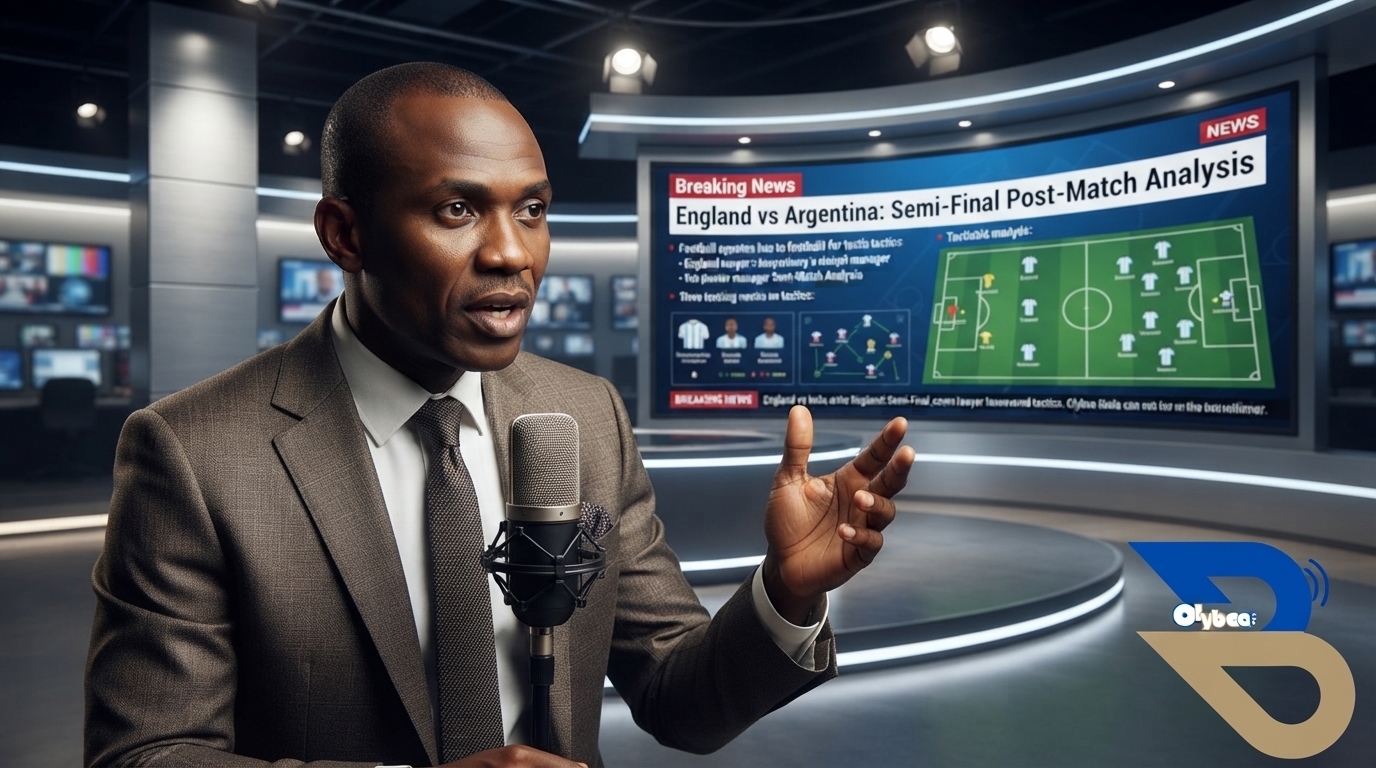
Public commentator Daniel Bwala has weighed in on England’s dramatic World Cup exit, pointing squarely at Thomas Tuchel’s tactical decisions rather than the players themselves. Bwala argued that Tuchel’s choice to drop England into a deep defensive block against Argentina backfired badly, handing Lionel Messi exactly the space he needed to dictate the game.
England suffered a heartbreaking 2-1 defeat to Argentina in Wednesday night’s semi-final, and the loss has since triggered fierce backlash across football circles. Fans and pundits alike have criticized Tuchel’s second-half approach, some even calling it cowardly. Before that shift in strategy, though, the Three Lions had actually looked comfortable and in control.
Why Fans Question Tuchel’s Deep Block Decision
England held a 1-0 lead deep into the second half, thanks to an early goal from Anthony Gordon. With only five minutes of normal time remaining, everything still pointed toward a famous victory. Then the game flipped entirely. Enzo Fernandez leveled things with a stunning 85th-minute strike from distance, and substitute Martinez headed home a winner in the 92nd minute. Just seven minutes separated England from glory and total heartbreak.
According to the widely shared assessment, responsibility for the collapse rests with the manager, not the squad. Reports note that the players performed well right up until Tuchel abandoned a more proactive setup in favor of sitting deep to protect the lead. That single tactical pivot, many argue, changed the entire complexion of the match.
The History Behind Defending Deep Against Messi
Football history offers plenty of warnings about inviting pressure against Messi. Whenever teams cede territory, he tends to thrive, drifting between the lines and finding pockets of space that deep defensive shapes struggle to close down. Many observers instantly compared Tuchel’s approach to Sir Alex Ferguson’s infamous mistake during the 2009 Champions League final, where Manchester United sat back against a Messi-led Barcelona side and paid dearly for it at Rome’s Stadio Olimpico.
Bwala, a Nigerian presidential spokesperson, made his stance clear in a post on X. “The fault is with the coach, Thomas Tuchel; the players were okay until he asked them to defend deep,” he wrote, adding that no team can defend passively against Messi and expect to escape unpunished. He then pointed directly to Ferguson’s costly experience in 2009 as proof that this exact mistake had already played out once before on football’s biggest stage.
His comments quickly gained traction online, resonating with fans who felt England had the tools to win the match outright rather than simply protect a slim lead. You can view Bwala’s original post on X for the full context of his reaction.
Tuchel’s Tactical Call Faces Wider Scrutiny
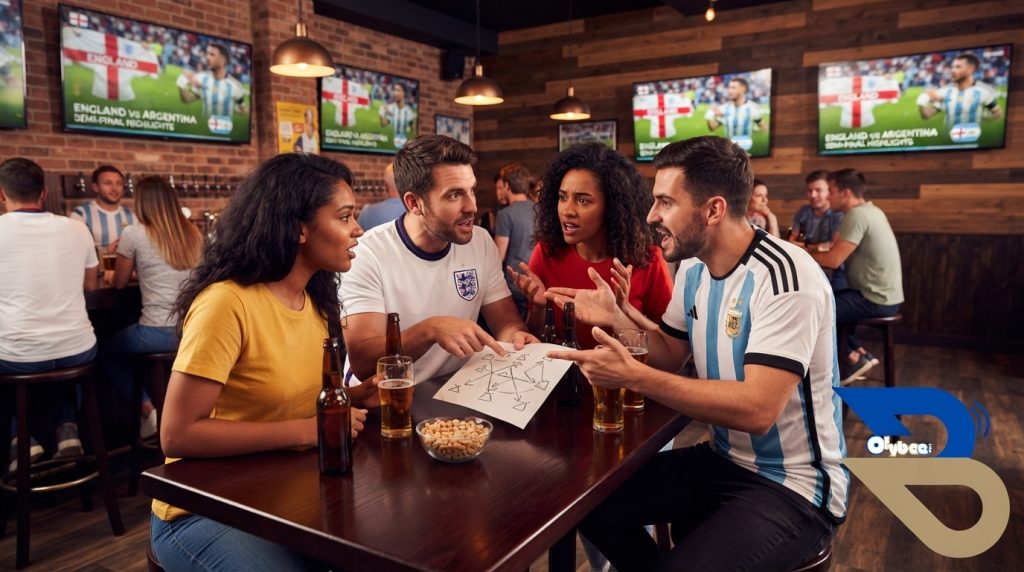
The core argument against Tuchel isn’t that England lacked quality. Instead, critics believe his game plan undercut everything the squad had built throughout the tournament. Asking players to defend deep against one of the most clinical attackers in football history turned England into a purely reactive side. That approach depended entirely on the defense holding firm for the full ninety minutes, rather than disrupting Argentina’s rhythm before it ever got going.
This debate also feeds into a much larger conversation. Coaches at international tournaments constantly weigh whether passive defensive structures still make sense against elite opposition. Messi, in particular, has spent two decades exposing exactly this kind of setup, and Wednesday’s semi-final added another chapter to that pattern.
Tuchel has since defended his substitutions and overall approach following the loss, though the broader criticism from fans and commentators shows little sign of easing. For a team many expected to challenge strongly for the title, the manner of the exit stings even more than the result itself.
What Comes Next for Argentina
Argentina now moves on to face Spain in Sunday’s World Cup final, setting up a mouthwatering clash between two of the tournament’s standout sides. Spain’s rising star, Lamine Yamal, previously expressed excitement about potentially facing his idol, Messi, on the sport’s biggest stage. That wish has now become reality.
For England, meanwhile, questions linger over what might have happened had Tuchel stuck with his original, more attacking setup. Whether those questions lead to lasting change in how the team approaches future tournaments remains to be seen. What’s certain, though, is that Wednesday’s collapse will be dissected for a long time to come, and Bwala’s blunt assessment has already become part of that conversation.



Leave a Reply
You must be logged in to post a comment.