



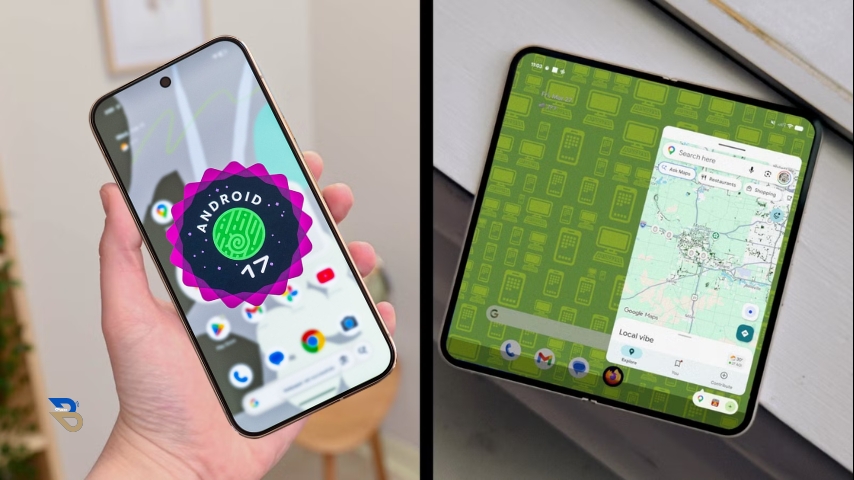
Google’s Android 17 rollout has officially begun, and it’s bringing some of the most requested multitasking and productivity tweaks the platform has seen in years. Alongside Android 17, Google has also announced the rollout of Wear OS 7 starting today, as well as several other features arriving as part of June’s Feature Drop. Together, the two updates mark Google’s most coordinated push yet across phones, watches, and the company’s emerging extended-reality ecosystem.
What’s New in Android 17
Google’s Android 17 update brings floating “Bubble” app windows for easier multitasking, a Screen Reaction recording mode, and a 50/50 split gaming mode for foldable phones. The Bubbles feature in particular has been on plenty of users’ wish lists, letting people keep a chat or app accessible in a small floating window while doing something else on screen similar to how some third-party launchers and Samsung’s own software have handled multitasking in the past.
Foldable owners are getting some specific love too. Android foldables are getting new gamepad controls, with Pixel foldables getting the feature first as part of Android 17, alongside native controller remapping though the rollout is only expected “in the coming months.” The update is rolling out to Pixel phones first, then other devices, with some features like Gemini Intelligence set to debut later this year.
Pixel Feature Drops: A Complete History →
Wear OS 7 Brings Live Updates and Better Battery Life
Smartwatches are getting their own substantial refresh. Wear OS 7 brings Live Updates, better battery life for smartwatches, and lays the groundwork for connections with new Android XR smart glasses launching this fall. The new software is built on an Android 17 foundation, which should mean a smoother, more consistent experience across whichever Google-powered device people are wearing or carrying.
Not every new feature will be available on every device right away, however. Given the demanding system requirements for Gemini Intelligence, it seems unlikely the suite will run on-device on platforms like Wear OS, Google built-in, or Android XR. Instead, Gemini Intelligence is more likely to run on Android phones, with watches, cars, and glasses tapping into the AI suite through a tethered connection.
Android XR Ties the Whole Ecosystem Together
The bigger long-term story may be Android XR, Google’s new platform purpose-built for headsets and smart glasses. It stands for “eXtended Reality” and is built to unify XR products mainly smart glasses and VR headsets under one new set of standards and tools, the same way Android Auto is built for car infotainment and Wear OS is built for smartwatches. It’s built with Gemini at the core, enabling a new type of user interface driven entirely by how people interact with Google’s multimodal AI.
Google isn’t going it alone on hardware. Google and Samsung partnered to create Android XR, and Samsung is making the first headset powered by the platform. Google is also making immersive XR versions of apps like Maps, Photos, and YouTube, and is developing a version of Chrome that allows multiwindow multitasking inside the browser itself.
Android XR Explained: Everything You Need to Know →
What This Rollout Means for Android Users
Taken together, Android 17, Wear OS 7, and the steady build-out of Android XR show Google trying to make its software feel like one connected system rather than three separate products bolted together. Whether that translates into something genuinely seamless for everyday users or another set of half-finished features waiting on next year’s hardware will likely become clearer once Android XR glasses actually start shipping later this year. For now, Pixel owners get first access to the bulk of these changes, with a broader rollout expected to follow in the coming weeks. For the latest details, check Google’s official Android blog.







Leave a Reply
You must be logged in to post a comment.