




The Dangote refinery sabotage dispute has escalated into a full legal battle inside Nigeria’s Federal High Court. Dangote Petroleum Refinery now accuses the federal government and its agencies of deliberately starving the plant of crude oil. In response, the Nigerian National Petroleum Company Limited, widely known as NNPCL, has issued a swift and firm denial.
According to court documents, the refinery filed a sworn affidavit in Lagos outlining its grievances against the state oil company. The filing alleges that NNPCL routinely ignores its supply commitments toward the refinery. Because of this, the company claims its multi-billion-dollar investment now faces serious financial risk. Notably, this clash adds to a string of disagreements between Dangote and NNPCL over fuel imports and pricing in recent months. That earlier dispute also centered on import licences and claims of market dominance, signaling a deepening rift between the two oil giants.
Dangote Refinery Sabotage Allegations Detailed in Court Filing
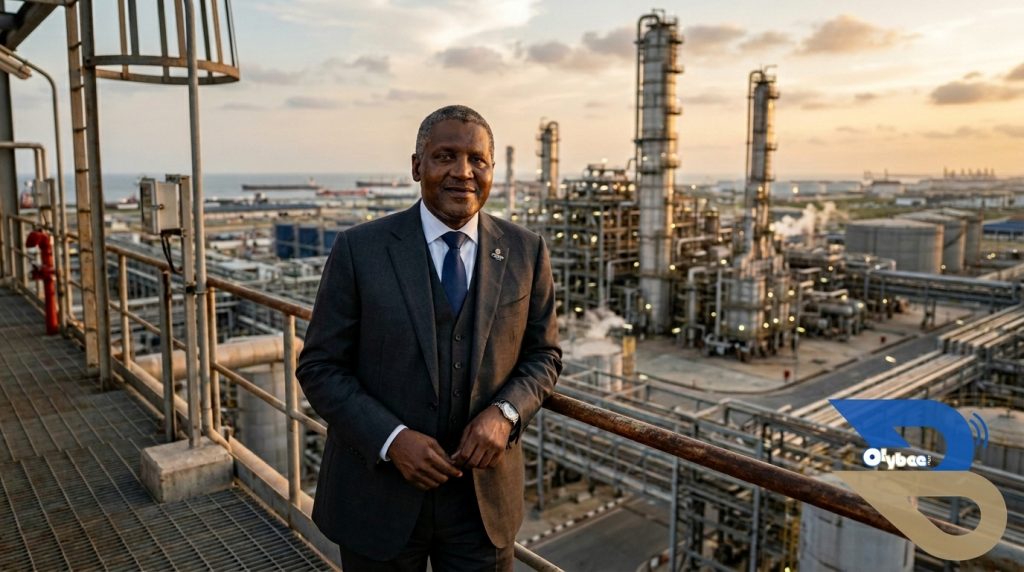
Dangote’s legal team has asked the court for an urgent interim injunction. Specifically, the request seeks to halt the issuance and renewal of petroleum import licences while the case proceeds. The refinery warns that without quick intervention, the company’s very survival hangs in the balance. Furthermore, it cautions that thousands of jobs could vanish if the dispute drags on unresolved.
Meanwhile, the refinery insists the ongoing crude shortage forces it to rely heavily on international traders. As a result, it pays steep premium prices instead of sourcing crude locally at fair domestic rates. Currently, the plant receives only five crude oil cargoes each month from NNPCL. That number falls far short of the 13 cargoes the refinery says it needs monthly to run at full capacity.
Additionally, the filing accuses the Nigerian Midstream and Downstream Petroleum Regulatory Authority, known as NMDPRA, of breaking the law. The refinery claims the regulator keeps granting import licences to rival marketing firms. This continues, according to the filing, even though domestic refining output already exceeds national fuel demand. Such practices, Dangote argues, directly violate Nigeria’s Petroleum Industry Act.
Taken together, these accusations paint a picture of an oil major locked in an increasingly bitter struggle with the very state institutions meant to support it. For Dangote, every missing cargo translates into added cost and a sourcing scramble that ripples through its bottom line. For NNPCL, the standoff places its supply practices under direct judicial scrutiny.
NNPCL Pushes Back Against Sabotage Accusations
NNPCL, however, strongly denies every claim of sabotage raised in the lawsuit. The state oil company plans to file a preliminary objection in the coming days. Through this objection, NNPCL intends to challenge whether the lawsuit even qualifies for the court’s attention at this stage.
Moreover, NNPCL insists that none of its agencies have hindered the refinery’s operations in any way. Instead, the corporation argues that Dangote’s legal action arrives too early in the broader dispute process. Therefore, NNPCL believes the court should dismiss the suit before it proceeds any further.
NNPCL also turned the spotlight back onto Dangote’s own pricing practices in the domestic market. The corporation claims the refinery already sells petroleum products at high and frequently fluctuating prices. According to NNPCL, those prices reflect Dangote’s commercial interests rather than any genuine market necessity. Consequently, NNPCL frames the lawsuit as a distraction from the refinery’s own pricing choices.
Crude Supply Shortfall Fuels the Dangote Refinery Sabotage Dispute
This crude supply standoff highlights a much bigger story for Nigeria’s energy sector. The country has invested enormous hope in the Dangote refinery as a path toward fuel self-sufficiency. Since its launch, the facility has aimed to cut Nigeria’s long-standing reliance on imported petroleum products. Yet recurring supply battles like this one threaten to slow that broader progress.
Beyond the courtroom, ordinary Nigerians have a stake in how this saga concludes. A disrupted refinery could mean tighter fuel supplies and renewed pressure on pump prices nationwide. That risk explains why both companies, and policymakers, are watching the Lagos proceedings so closely.
Industry watchers will likely follow this case closely in the coming weeks ahead. The Federal High Court in Lagos must now decide whether to grant the requested injunction. Meanwhile, both sides appear ready to dig in for a potentially lengthy legal fight. For now, neither the refinery nor NNPCL shows any sign of backing down from its position.
No date has emerged yet for the next court hearing in Lagos. Both legal teams, however, appear to be preparing for an extended fight rather than a quick settlement. Until a judge rules on the interim injunction request, the current crude supply arrangement between Dangote and NNPCL remains unchanged.
As the case unfolds, close watchers of Nigeria’s fuel supply chain will want clarity soon enough. The eventual ruling could reshape how crude oil moves between government agencies and the country’s largest refinery for years to come. Readers can expect updates as the Lagos court schedules its next hearing on the matter. We will update this story as the case develops further.







Leave a Reply
You must be logged in to post a comment.