



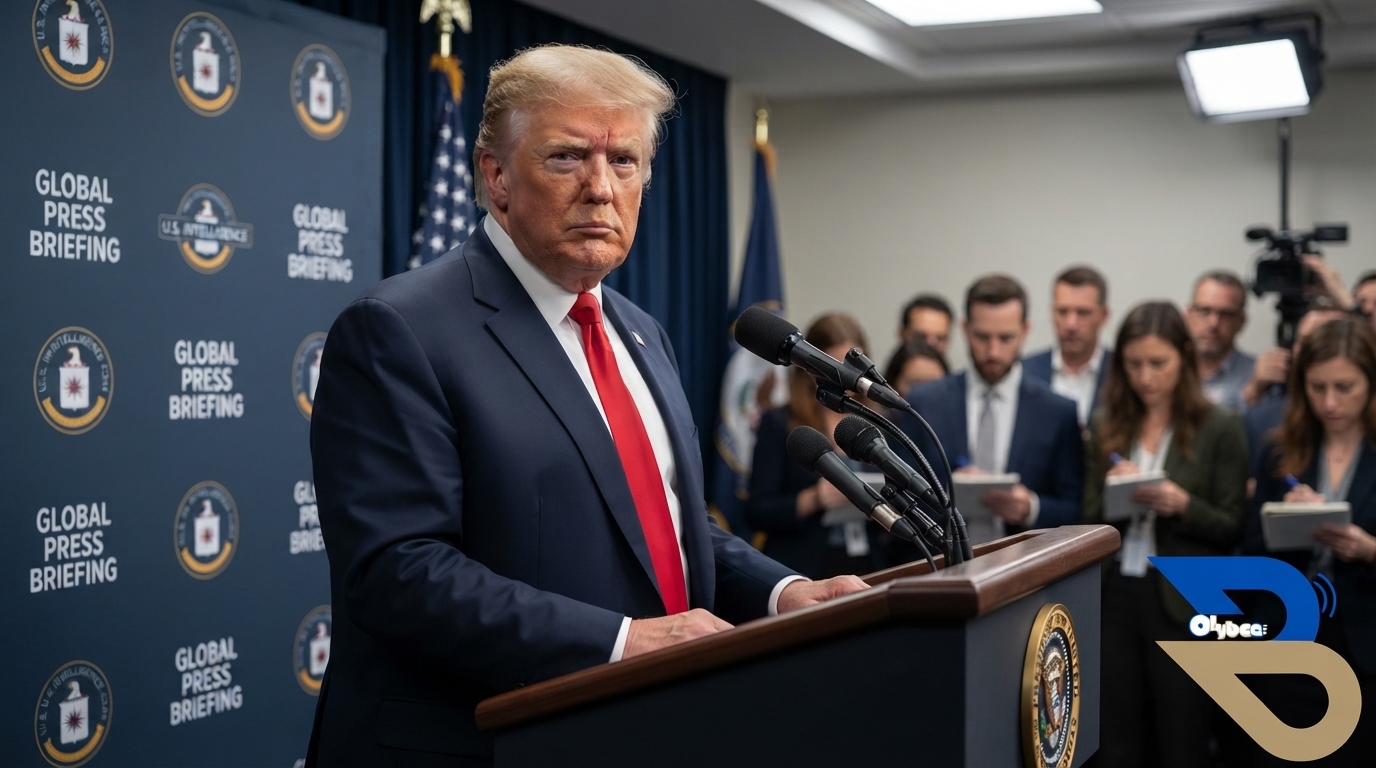
Israel shared intelligence with the United States this week, warning of a specific Iranian plot to kill Trump, according to two sources familiar with the situation. As tensions between Washington and Tehran continue unraveling, this fresh warning adds another layer to an already volatile standoff between the two nations.
One source described the warning as distinct from the broader assassination-related intelligence that American agencies had already tracked in recent weeks. Notably, this particular plot arrived as a standalone alert rather than part of ongoing monitoring efforts.
Details Behind The Iranian Plot To Kill Trump
Two sources confirmed that US intelligence agencies had not independently verified the Israeli report. In fact, American officials were not tracking the alleged plot before Israel’s warning came through.
Consequently, some US officials questioned Israel’s motives for sharing the intelligence. They suggested it might form part of a broader push by Israeli Prime Minister Benjamin Netanyahu’s government to influence Trump’s thinking as he weighs whether to escalate military pressure on Iran. One source noted that scepticism toward Israeli intelligence reporting isn’t unusual within certain corners of the US intelligence community.
Meanwhile, the timing raises additional questions. Israel and the United States have coordinated closely throughout the recent conflict, yet this warning arrived without prior corroboration from American sources.
Trump Responds To Assassination Threat
When journalists asked the White House to address the Israeli warning, which the Wall Street Journal first reported, officials pointed to comments Trump made directly. Speaking to reporters on Wednesday, Trump acknowledged the threat: “They want to take out the US leader, me. I’m on whatever list. I saw this morning I’m on every single one of their lists. And so far, I guess I’ve been a bit lucky, but maybe that doesn’t last very long. These are evil, sick people. And we have to root out that cancer.”
Later, Trump mentioned learning of a new list ranking him as Iran’s top assassination target, though he didn’t confirm whether this referenced the Israeli intelligence specifically.
For context, US officials have long assessed that Iran might seek revenge against Trump for the January 2020 drone strike that killed senior Iranian commander Qasem Soleimani. This assessment predates the current crisis by several years, according to the Jerusalem Post. Over the weekend, crowds in Iran openly called for Trump’s death during funeral proceedings for Supreme Leader Ayatollah Ali Khamenei, who died at the conflict’s outset.
Diplomacy Persists Despite Rising Tensions
Despite the darkening mood, a US official said on Thursday that diplomatic channels between Washington and Tehran remained active. This continued even as both sides traded military strikes and Trump declared a prior memorandum of understanding with Iran “over.”
According to CNN, officials confirmed that both governments were still working toward a nuclear agreement targeted for mid-August. Simultaneously, however, preparations for possible US military strikes moved forward on Thursday evening, though officials held them back in favor of continued talks.
Aboard the USS Abraham Lincoln, fighter jets carried armaments while pilots ran drills in case strike orders came through. The carrier’s commanding officer, Dan Keeler, briefed thousands of crew members that the situation was intensifying. Still, routine defensive flight operations continued around the clock.
Notably, Netanyahu—who has openly criticized Trump’s diplomatic approach to Iran and clashed with him over Israeli operations in Lebanon—spoke with Trump by phone on Thursday. He is expected to travel to Washington soon for face-to-face discussions.
Fresh Strikes Complicate The Situation Further
The United States launched new airstrikes against Iran early Thursday. In response, Tehran targeted Bahrain, Kuwait, and Qatar, threatening an interim deal meant to help end the broader Gulf conflict. These strikes followed Trump’s remarks that recent Iranian attacks on ships in the Strait of Hormuz signaled the ceasefire’s collapse.
Altogether, this rapid exchange illustrates how quickly the fragile truce has deteriorated. What began as a 60-day ceasefire now teeters toward renewed confrontation, with intelligence warnings, military posturing, and diplomatic efforts unfolding simultaneously.
Given these developments, both nations appear to be navigating a precarious balance—pursuing dialogue while simultaneously preparing for potential escalation. As events continue moving quickly, further details will likely emerge regarding both the specific threat against Trump and the broader trajectory of US-Iran relations.



Leave a Reply
You must be logged in to post a comment.