



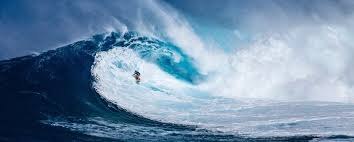
When surfing finally made its Olympic debut at the Tokyo 2020 Games, it was a major moment. The sport’s vibrant culture and heart-pumping athleticism were about to strike a global stage, and everyone was abuzz with anticipation. But one huge question remains: Where will these history-making waves actually be ridden? Would it be some kind of cutting-edge wave pool or the raw, unpredictable power of the ocean itself?
The exciting answer, thankfully for purists, was the latter. Surfing made its Olympic debut in Tsurigasaki Beach, located in Ichinomiya Town, Chiba Prefecture, Japan. That, in itself, was a statement: surfing in its truest form would embrace the natural elements that define it.
Why Tsurigasaki Beach?
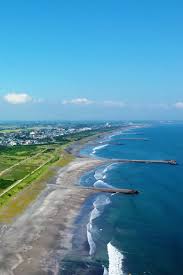
Tsurigasaki Beach wasn’t pulled out of a hat. It’s truly famous surf spot in Japan and appreciated for its consistent beach breaks and dependable swells. The Olympic committee worked hard to find a location with consistently competition worthy waves. What made Tsurigasaki the clear winner?
- A Consistent Swell: Though one can never count on perfect surf in nature, Tsurigasaki is a place famous for its fairly consistent swell in summers, thus really offering a very good platform for high-level competition.
- Accessibility: Being on the Pacific coast and about 90 kilometers east of Tokyo, it is logistically easy to hold the Games there. Besides, the necessary infrastructure there could be upgraded without too many hassles.
Existing Surf Culture: Ichinomiya Town and the wider Chiba prefecture were already home to an established thriving surfing community. This brought a depth of local experts an excellent understanding of the conditions and crucially enthusiastic support for the event. - Authenticity: For the surfing community, it was absolutely paramount that a natural ocean venue be used. That meant Olympic gold wouldn’t just be about raw skill but also about a surfer’s ability. An ability to dance with the ocean’s ever-changing canvas-a true test of intuition, adaptability, and power.
Embracing the Natural Element
Not having incredible wave pool technology that can produse perfect artificial waves on demand and the use of a natural beach for surfing’s Olympic premiere was a significant decision. It was a heartfelt nod to its origins, touting that essential connection between rider and nature.
Competitors weren’t just performing but had to fight the ever-changing moods of the Pacific Ocean: tide, wind, swell direction. This added an exhilarating layer of challenge and strategic thinking to every heat.
It wasn’t about flashy moves; it was about watching the athletes express deep respect for the ocean itself in their performances.
A Lasting Legacy
Hosting the Olympic surfing event at Tsurigasaki Beach brought a host of improvements and much-needed attention to the area, boosting facilities for both athletes and fans alike. More importantly, it shone a light on Japan’s stunning coastline and its vibrant surf scene to the world-a fact that will surely attract an entirely new generation of surfers and etch Tsurigasaki’s name into surfing history forever.
Tsurigasaki Beach (釣ヶ崎海岸) When the world’s elite surfers congregated on this fabled stretch of Japanese coastline, each one was not merely in pursuit of medals. They were riding that very first wave in the Olympics, carving their place in history at a venue that captured what is the true spirit and demanding challenge of their incredible sport.



Leave a Reply
You must be logged in to post a comment.