



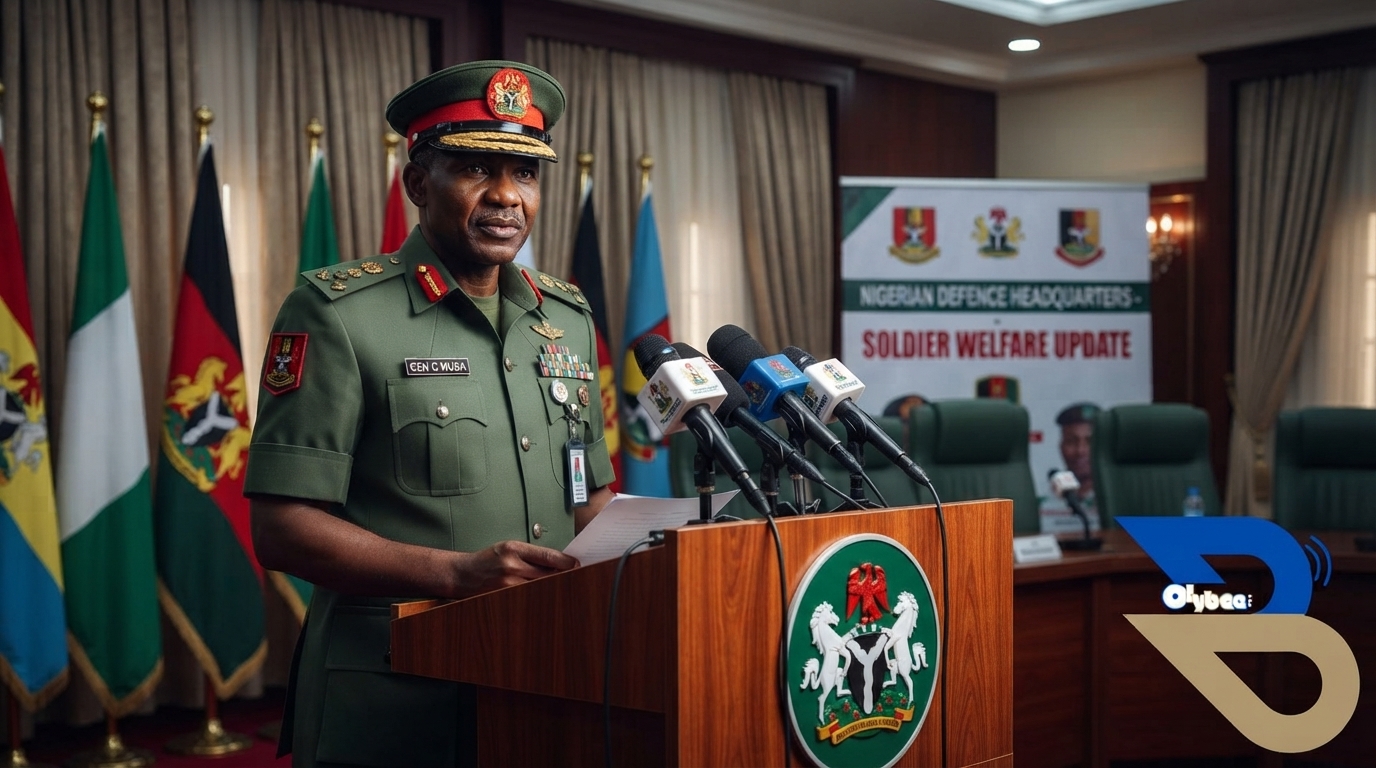
Nigerian soldiers earn N100,000 monthly now, according to Defence Minister Christopher Musa, following a fresh review of military welfare by the Federal Government. The minister shared this update during an interview with News Central, recorded Wednesday ahead of its broadcast on the network’s NC Exclusive programme this Friday.
Musa, who previously served as Chief of Defence Staff, didn’t shy away from acknowledging ongoing challenges either. Even though soldiers now take home more money, he admitted the overall defence budget still falls short of what the military actually needs.
Why Soldiers Earn N100,000 Now, Up From N49,000
When asked directly whether Nigeria’s current defence budget was adequate, Musa gave a blunt answer: “It’s not enough.” However, he quickly pivoted to highlight real progress on the welfare front. According to him, the Federal Government significantly raised soldiers’ pay over recent years.
“When they started, a soldier was collecting N49,000 monthly. We tried so hard, now he’s collecting N100,000,” Musa explained. That figure represents more than double the previous minimum wage for enlisted personnel, and it signals a deliberate push by the government to improve conditions for frontline troops.
Despite this pay increase, Musa’s comments suggest that funding constraints continue limiting other areas of military operations. Therefore, while soldiers’ take-home pay has improved substantially, broader operational capacity may still lag behind what security challenges actually demand.
Minister Pushes for Tougher Kidnapping Penalties

Beyond salary matters, Musa also weighed in on Nigeria’s persistent kidnapping crisis. He specifically called for the death penalty to be introduced for convicted kidnappers, arguing that current laws simply don’t deter criminals effectively.
“I think we should do that. There must be deterrence. The laws are soft, and that’s why people take advantage. If they know once you commit an offence, there must be punishment,” he said. This statement comes amid growing public frustration over frequent abduction cases across multiple states.
Indeed, Musa referenced a recent, deeply troubling incident involving pupils abducted in Oyo State. He described the situation as tragic and explained that the kidnappers appeared to be using the children as leverage. Specifically, he alleged the abductors hoped to pressure the military into releasing detained commanders from their group.
“For whatever reason, they are looking for leverage because we have some of their commanders with us, and they feel taking these kids and holding them to ransom will make us release their commander,” Musa said. Alarmingly, he added that the kidnappers threatened to kill the children if security forces pushed their rescue operation further.
Musa Addresses Claims of Poor Military Feeding
Separately, the minister also pushed back against public allegations regarding poor food quality for soldiers. He dismissed these claims as misleading, pointing to a specific incident involving an officer identified as Justice Crack.
According to Musa, that officer deliberately staged the appearance of inadequate meals. “The soldier’s food was okay. There was meat; there was all this. But he told them to pull out those things and make it look as if those things were not there,” the minister said. In other words, he framed the viral complaints as manufactured rather than reflective of actual conditions.
What This Means for Nigeria’s Military Going Forward
Taken together, Musa’s comments paint a picture of a military under financial pressure, yet one that has made tangible progress on soldier welfare. Since soldiers earn N100,000 now compared to N49,000 previously, the pay increase marks a meaningful step, even as the minister openly admits broader funding gaps persist.
Meanwhile, Nigeria continues grappling with serious security threats, from kidnapping networks to banditry, which keeps pressure on both military resources and government policy. As a result, discussions around defence funding, welfare, and law enforcement reform will likely remain active topics in the months ahead.



Leave a Reply
You must be logged in to post a comment.