


Nigeria’s Federal Government has issued a strong directive ordering banks and other financial institutions to freeze terrorism financing assets linked to individuals and entities supporting extremist networks. This sweeping instruction came on Wednesday, as Nigerian authorities backed recent US sanctions targeting a Lagos-based ISIS financier and three Bureaux De Change operators allegedly funneling funds to terror groups.
The move sends a clear message: Nigeria’s financial system will not shelter those who bankroll violence
Nigeria Moves to Freeze Terrorism Financing Assets in Banks and BDCs
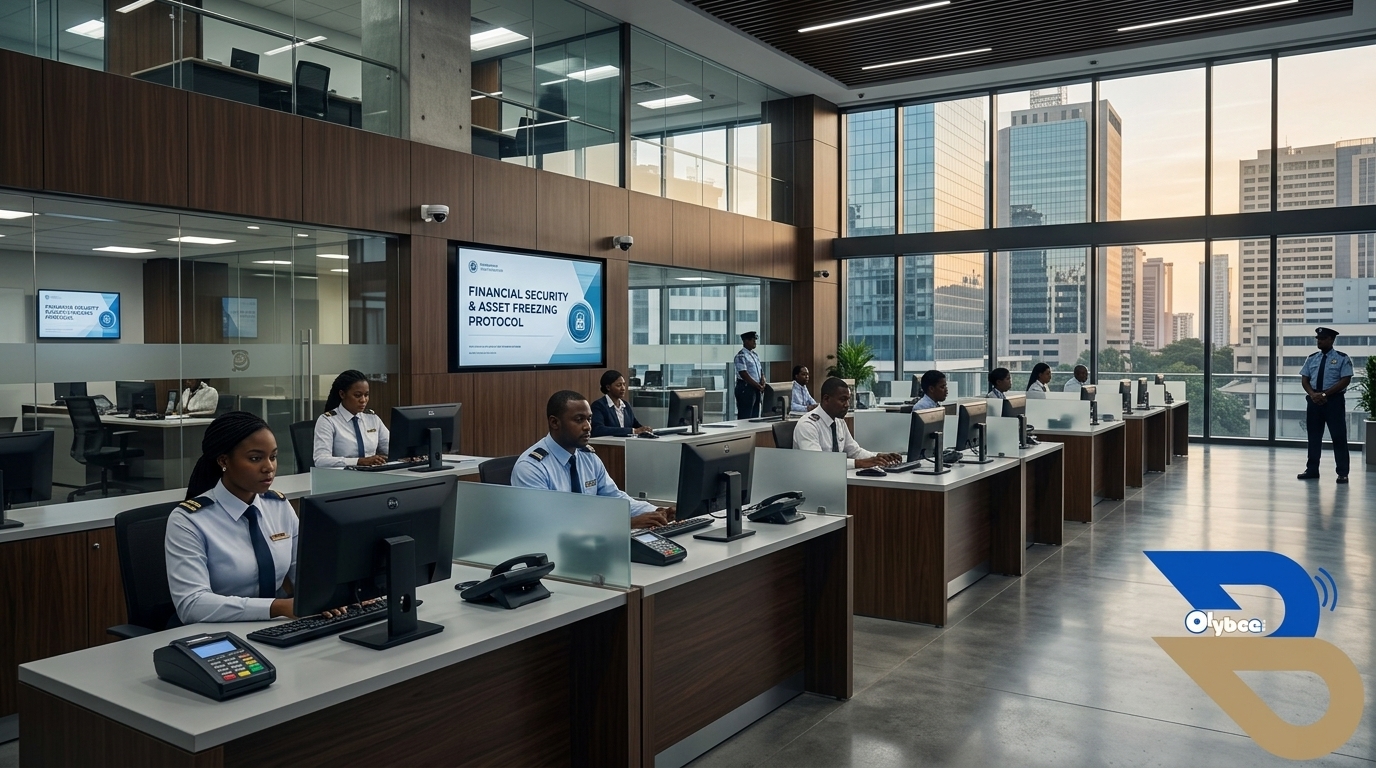
The Nigerian Sanctions Committee announced that all financial institutions — along with designated non-financial businesses and professions — must fully comply with existing sanctions obligations. Specifically, they must freeze accounts and assets, file Suspicious Transaction Reports, and immediately report any relevant matches to the appropriate authorities.
“The Federal Government reiterates its directive to all financial institutions and designated non-financial businesses and professions to comply fully with all sanctions obligations, including asset-freezing requirements, the filing of Suspicious Transaction Reports and the reporting of relevant matches to the appropriate authorities,” the committee said in a statement.
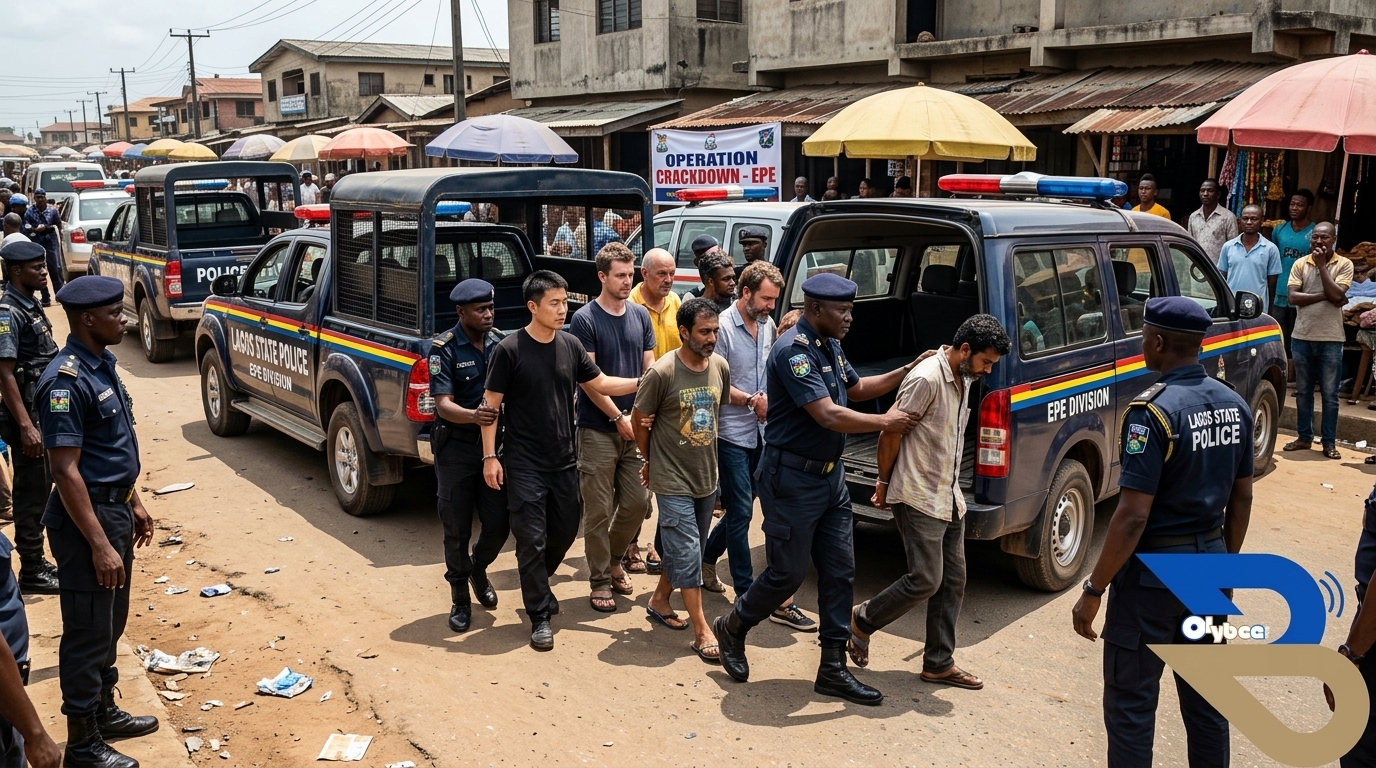
The directive followed swift action by the United States government. Washington invoked Executive Order 13224 to sanction Mukhtar Adamu Muhammad, a 35-year-old Lagos-based businessman. He allegedly moved funds for ISIS as part of a coordinated global crackdown. Three BDCs were also named: Generation Currency Bureau De Change Limited, Nine to Nine Exchange Bureau De Change Limited, and Manhattan Bureau De Change Limited.
Six Additional Names Added to Nigeria’s Terrorism Sanctions List
Notably, Nigeria had already taken action before the US announcement. On June 18, 2026, the Federal Government added six more individuals and one additional entity to its own national sanctions list. Those named include Ibrahim Yakubu Ogirima, Adamu Chiroma, Ibrahim Abubakar, Abdullahi Umar Usman, Babangida Muhammed, Adamu Hammajam, and Abbal Bako & Sons Bureau De Change Limited.
The committee explained that this extended listing came after thorough intelligence gathering, detailed financial investigations, and inter-agency assessments. Authorities determined there were reasonable grounds to believe these individuals and entities “facilitated, financed, supported or otherwise contributed to the activities of the Islamic State West Africa Province, ISWAP, and associated terrorist networks.”
Furthermore, the committee welcomed the US Treasury’s Office of Foreign Assets Control (OFAC) decision to formally designate Mukhtar Muhammad Adamu and the two BDCs. Nigeria views the American action as direct reinforcement of sanctions Abuja had already imposed. The alignment signals a coordinated international effort to cut off financial lifelines feeding terrorist operations across West Africa, the Middle East, and Europe.
The committee also praised the Federal Ministry of Justice, the Office of the National Security Adviser, the Central Bank of Nigeria, the Department of State Services, the Economic and Financial Crimes Commission, and the Nigerian Financial Intelligence Unit. All these agencies played vital roles in the investigation and sanctions process.
“Nigeria remains resolute in its commitment to ensuring that terrorists and their financiers find no safe haven within the country’s financial system,” the statement firmly declared.
Military Says ISIS and Boko Haram Backbone Broken Through Allied Cooperation
Nigeria’s defence establishment is projecting growing confidence on the battlefield. The Chief of Defence Intelligence (CDI), Lieutenant General Emmanuel Undiandeye, addressed Foreign Defence Advisers and Attachés during the Second Quarter Operations Briefing in Abuja on Wednesday. He declared that Nigeria’s military, working closely with the United States, United Kingdom, and France, has effectively broken the operational backbone of ISIS, Boko Haram, and affiliated terror groups.
Lt. Gen Undiandeye stated that Nigerian forces had assaulted, decimated, and decapitated terrorist networks so thoroughly that their logistics, ammunition couriers, and support structures have collapsed entirely.
“Nigeria is secured. The security challenges confronting our nation have largely been contained by the armed forces employing better operational capabilities, intelligence and technology in close coordination with our allied partners, particularly the US, UK and France,” he added.
He further confirmed that improved operational capabilities, better intelligence sharing, and advanced technology — deployed alongside allied partners — now keep security challenges across the country largely under control.
Undiandeye explained that the quarterly briefing serves a dual purpose. First, it keeps foreign defence advisers accurately informed about the true security situation on the ground. Second, it highlights the productive working relationships among Nigeria’s security and intelligence agencies as they jointly combat various threats.
Additionally, the Director of Foreign Liaison, Major General Ojogbane Adegbe, noted that the briefing gives defence advisers a platform to interact directly with Nigerian security agencies and key stakeholders. This engagement, he explained, strengthens the kind of operational synergy needed to sustain ongoing counterterrorism gains across Nigeria and the broader Sahel region.
In closing, the Nigerian Sanctions Committee reaffirmed Abuja’s commitment to collaborating with both domestic and international partners — protecting national security, reinforcing financial integrity, and supporting global counterterrorism efforts for the long term.


Leave a Reply
You must be logged in to post a comment.