




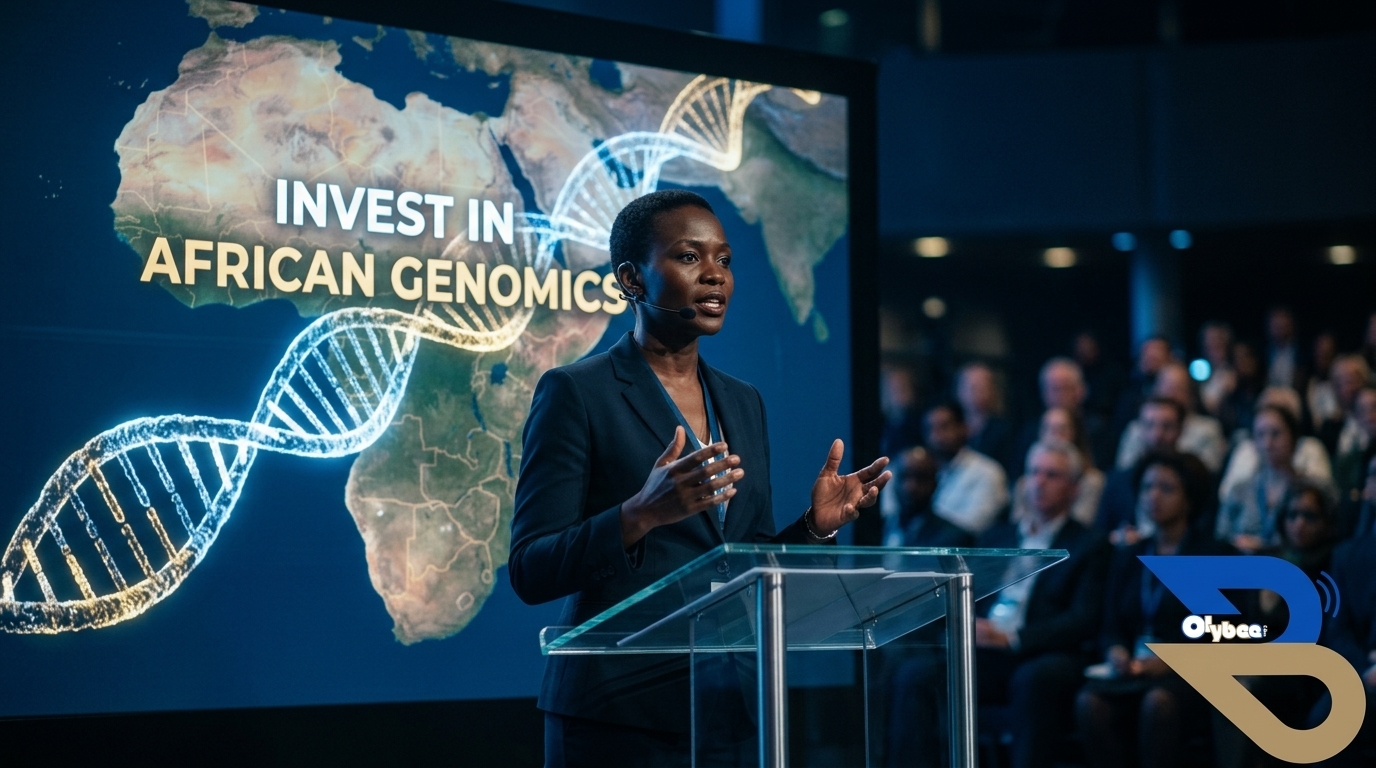
A Nigerian researcher in the United States is pushing for stronger African investment in cancer treatment, arguing that genomics research holds the key to closing a dangerous gap in the continent’s healthcare system. Mary Adesina, a doctoral researcher in Cell and Molecular Biology at the University of Houston, made the appeal in a statement shared with Diaspora Tales this week.
Adesina specifically called on Nigeria’s Federal Government to expand scholarships, fellowships, and research grants. She believes these programs would give Nigerian scientists better access to world-class training and research opportunities, ultimately strengthening the country’s capacity to fight cancer from within.
Why African Investment in Cancer Research Matters Now
According to Adesina, the scale of the problem is hard to ignore. She referenced World Health Organisation data showing that cancer caused nearly 10 million deaths worldwide in 2022 alone, making it one of the leading causes of death globally. Therefore, she argues, the urgency for action has never been greater.
The situation in Africa, she explained, is set to worsen unless investment increases soon. “In Africa, the cancer burden is expected to rise significantly over the coming decades due to population growth, aging populations and changing lifestyles,” Adesina said.
What makes this especially troubling, according to Adesina, is the gap between Africa’s genetic diversity and its research output. She pointed out that despite hosting the greatest human genetic diversity on Earth, the continent remains vastly underrepresented in genomics research. This matters because genomics currently drives many of the world’s biggest breakthroughs in cancer treatment and precision medicine.
Building Africa’s Genomics Research Capacity
To fix this imbalance, Adesina urged investors and stakeholders to take concrete action. She specifically called for the creation of competitive research environments, which would include improved funding, modern facilities, attractive remuneration, and clear career development pathways. These changes, she argued, would help retain scientific talent locally while also encouraging trained researchers abroad to return home.

Beyond funding alone, Adesina emphasized the need for stronger investments, collaborations, and sustained long-term support for researchers. She believes Nigeria, in particular, has what it takes to position itself as a leader in genomics research across Africa. “Such efforts would not only strengthen the nation’s healthcare system but also contribute meaningfully to global health,” she said.
Adesina also linked the issue to broader health outcomes beyond cancer alone. She noted that Africa’s limited presence in genomics research carries real consequences, particularly for cancer management, infectious disease control, and drug development. In other words, closing this research gap could deliver benefits that ripple far beyond oncology.
As cancer cases continue climbing worldwide, calls like Adesina’s add to a growing conversation about how African nations can build self-sufficient research systems instead of relying solely on external institutions. For now, much depends on whether governments and private stakeholders respond with the funding and infrastructure needed to make that vision possible.
For background on global cancer statistics referenced in this report, see the World Health Organisation’s cancer fact sheet. More on the genomics field driving precision medicine can be found via Wikipedia’s overview of genomics.




Leave a Reply
You must be logged in to post a comment.