





Introduction
Mental health is the state of mind of emotions and over all well-being (physically and socially) that determines how one (youths) behaves, thinks, feels, acts, handle situations and interact with others .
Mental health is important in youths for the development of the brain, a good mental health lays foundation for growth and emotional intelligence. Secondly, a good mental health helps in academic and future success in term of strong concentration, problem solving and decision making which are very important in academical setting and future careers. Healthy mental health helps to form and keep healthy relationships.
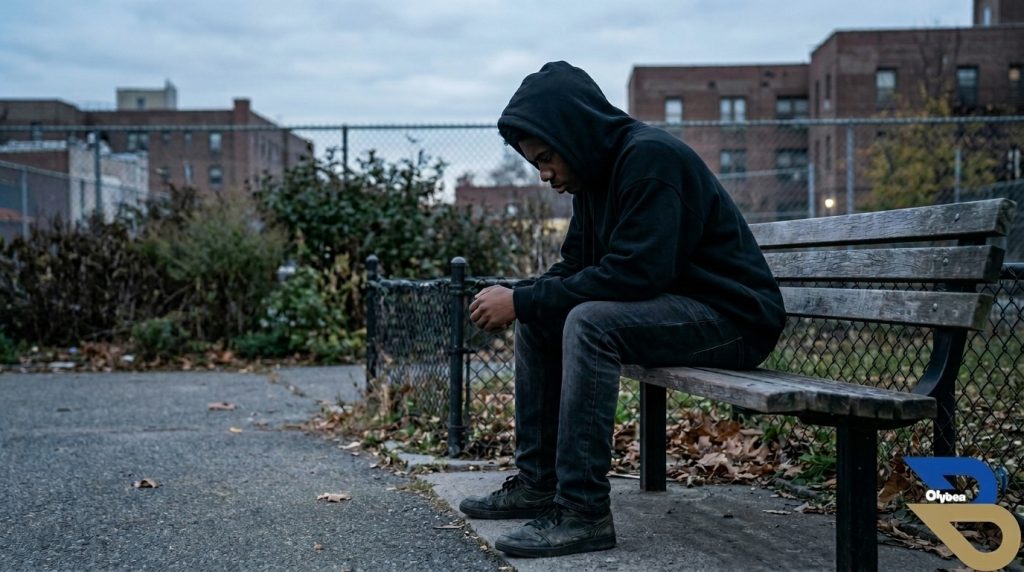
Nigeria has a high rate of mental health crisis with low number of professionals, according to research the percentage of 20-30% of the population suffers mental health issue. In Nigeria, mental health issues are assumed to be spiritual attacks or even personal weakness with people criticizing or blaming the youths for been in that state without helping them
Nigeria’s Current Situation
Nigeria Youths are facing mental health challenges and it is slowly getting out of hand. 20%-30% (50 million) of population in Nigeria experience mental illness which is as a result of economic hardship, no job, social media pressure amongst many.
Mental Health Issues That Are Common In Nigeria
If you are experiencing any of these feeling it simply means you are among the 50 million population that Is facing the mental health issue.
- Anxiety.
- Depression.
- Academic stress.
- Pressure from social media.
- Not confident about oneself and loneliness.
Depression and anxiety sickness are the most common of them all that are faced by Nigerian youths.
Causes of Mental Health Illness
There is no single cause to mental health problem, they arise from different factors like:
- Genetic Factors (genetics)
- Traumatic Experiences (History of child abuse and neglection from families)
- Abuse of drugs or drinks.
- Lack of jobs and economic hardship.
- Academic pressure from schools and universities.
- High expectations from family and friends
- Relationship problems.
- Online harassment.
- The fear, stress, and uncertainty caused by insecurity and social Disturbance.
Stigma On Mental Health In Nigeria
There is a false belief that mental illness is caused by juju (spiritual forces) or one’s weakness, and it has brought about stigmatization of the situation which is one major challenge of mental illness, Because of this, people with mental illness finds it hard to discuss their problem with others or even ask for medical help.
Signs That Someone Needs Help
If you want to know a youth who is having a mental illness, you need to look out for the following signs
- Constant sadness.
- Withdrawal from friends and family.
- Changes in eating or sleeping habits.
- Loss of interest in activities.
- Difficulty concentrating
- Thoughts of self-harm: They always nurse the idea of harming themselves or others
Harm And Help Of Social Media On Mental Health
Social media plays an important role. It has both negative and positive side to mental health.
The advantage of social media to mental health is it is an avenue to campaign about mental health to a wide range of youths, secondly it creates support communities for youth who are suffering from mental illness.
Social media has advantage to mental health and it disadvantages to mental illness one of which is cyberbullying.
How Nigerian Youths Can Protect Their Mental Health
- Talking to friends and family you trust.
- Seeking professional help when it is necessary.
- Exercising regularly.
- Maintaining healthy sleep habits.
- Limit excessive use of social media.
- Practicing stress-management techniques.








Leave a Reply
You must be logged in to post a comment.