




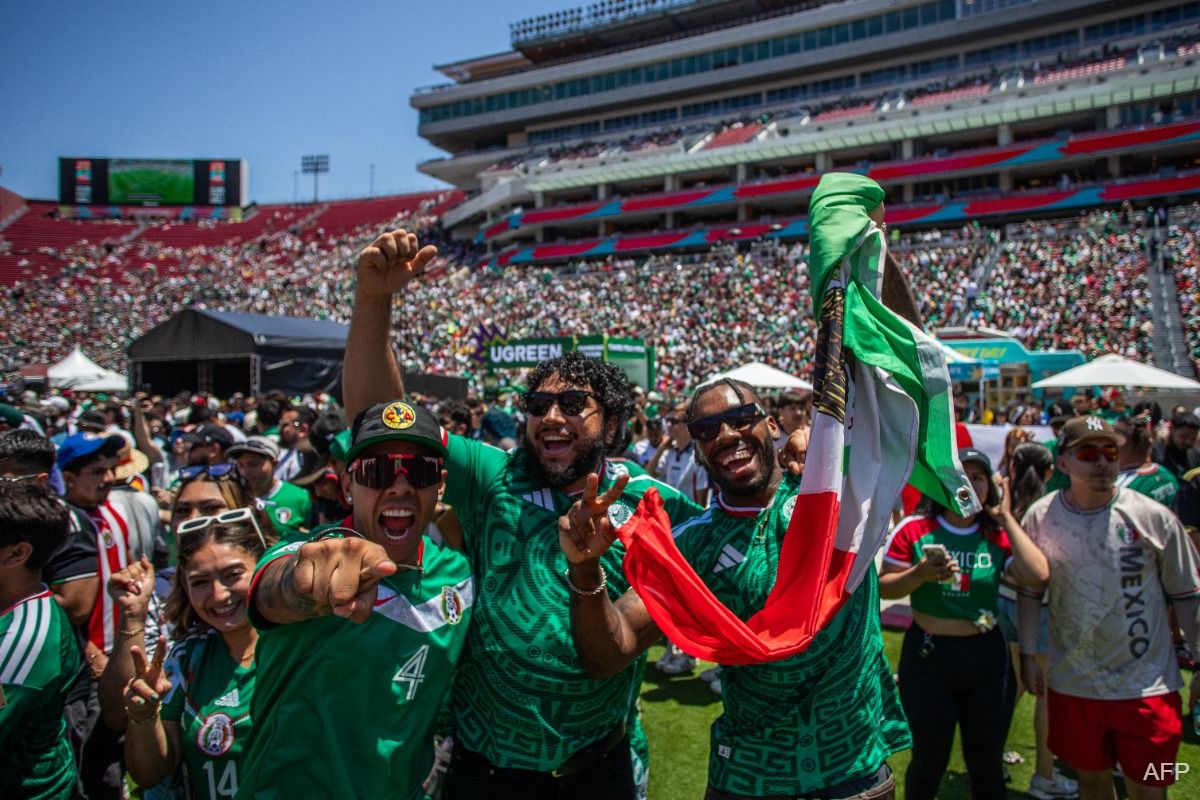
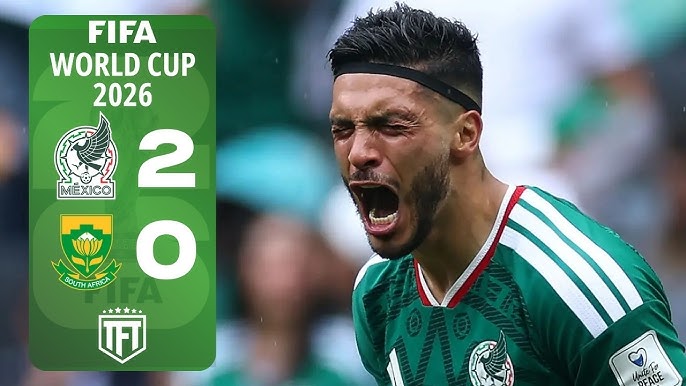
Nigerian support for Mexico at the 2026 FIFA World Cup became one of the tournament’s most talked-about storylines and it had very little to do with football. As Mexico squared off against South Africa at the iconic Azteca Stadium in Mexico City, thousands of Nigerians both inside the stadium and watching from home made their allegiance unmistakably clear: they were backing El Tri, not Bafana Bafana.
The rallying cry “We’re Nigerians, but today we are Mexicans” spread rapidly across social media, with videos going viral of Nigerian fans donning sombreros, waving Mexican flags, and celebrating in the stands. But behind the color and humor lay a pointed political message rooted in years of frustration over xenophobia and the treatment of Nigerians in South Africa.
Xenophobia, Evacuations, and Football as Protest
The backdrop to this unusual footballing alliance was a fresh wave of anti-foreigner violence in South Africa that had displaced hundreds of Nigerian nationals in the weeks leading up to the tournament. Veteran Nigerian journalist and former presidential spokesman Reuben Abati addressed the issue directly on Arise Television’s Morning Show, calling on his fellow Nigerians to root for Mexico as both a symbolic protest and a matter of self-preservation.
Abati noted that Nigeria’s Ministry of Foreign Affairs had already finalised arrangements to repatriate affected citizens, with a first group of 278 Nigerians set to be flown home. He added that the government had committed to assisting five batches of returnees in total, with over 1,000 Nigerians reportedly willing to come back. “We have been promised five batches,” he said, expressing hope that the repatriations would be carried out in full.
He also used the moment to reflect on a broader national failure. In his view, if Nigeria provided reliable electricity, clean water, and quality healthcare, far fewer citizens would feel compelled to seek a better life abroad in countries where they often face hostility rather than hospitality.
On the football side of things, Abati did not mince words. “I urge all Nigerians to support Mexico so that we don’t even have a situation whereby South Africans will say ‘these Nigerians have come again,’” he said, only half-joking. “We will be safer to support Mexico in this opening match of the World Cup.”
Green Jerseys, Sombreros, and Solidarity
The reasons Nigerians backed Mexico went beyond politics. Fans on social media pointed out the amusing fact that both Nigeria and Mexico play in green jerseys making the choice feel almost natural. Mexico’s reputation for being relatively open and welcoming to African migrants passing through the country on their way to the United States also played a significant role in shaping public sentiment.
Where South Africa has increasingly been associated with strict border enforcement and episodes of violent xenophobia directed at fellow Africans, Mexico was seen by many Nigerians as a country that treated people with dignity. That contrast was not lost on prominent voices who described the mass support for Mexico as a clear diplomatic statement from ordinary citizens.
The scenes at the Azteca were striking. Groups of Nigerian fans showed up in full fiesta gear, and footage of their celebrations circulated widely across Instagram, Facebook, and X (formerly Twitter), drawing reactions from across Africa and beyond. One widely shared clip showed a group of Nigerians in Mexico City chanting for the host nation, underscoring just how far the sentiment had spread.
2026 FIFA World Cup: Africa’s Teams in the Spotlight →
A Message Louder Than Any Final Score
Whether Mexico won or lost almost felt secondary to the statement being made. For many Nigerians, throwing support behind El Tri was a way of responding loudly and collectively to years of feeling unwelcome in a neighboring African country. It was also a reminder, as Abati suggested, that the Nigerian government has a responsibility to make home a place people genuinely want to stay.
The 2026 World Cup, co-hosted by the United States, Canada, and Mexico, has already produced plenty of memorable moments. But few have carried as much emotional and political weight as the sight of thousands of Nigerians cheering for Mexico green jerseys, sombreros, and all.
Nigeria at the 2026 World Cup: What to Expect →
For more context on the history of xenophobia in South Africa and its impact on African migrants, visit Human Rights Watch’s dedicated reporting on South Africa.






Leave a Reply
You must be logged in to post a comment.