


Introduction
Climate change refers to long-term shifts in temperature, rainfall patterns, and weather events, largely driven by human activities that increase greenhouse gas concentrations in the atmosphere. For Nigeria, this isn’t some distant, abstract concern; it’s a daily reality already reshaping farming, housing, and livelihoods across the country. From unpredictable rainfall in the north to devastating floods in the south, the effects of climate change are increasingly hard to ignore.
What Exactly Is Climate Change?
At its simplest, climate change describes a shift in the planet’s typical weather patterns over an extended period, usually decades or longer. While the earth’s climate has always experienced natural fluctuations, the rapid changes seen over the past century are largely attributed to human actions, particularly the burning of fossil fuels. As a result, average global temperatures have risen steadily, triggering a chain reaction of environmental consequences that touch nearly every region on earth, Nigeria included.
Causes Driving Climate Change in Nigeria
Several factors contribute to Nigeria’s vulnerability. Deforestation remains one of the biggest culprits, as forests that would otherwise absorb carbon dioxide continue to be cleared for farming, logging, and urban expansion. Consequently, the country loses a natural buffer against rising emissions.
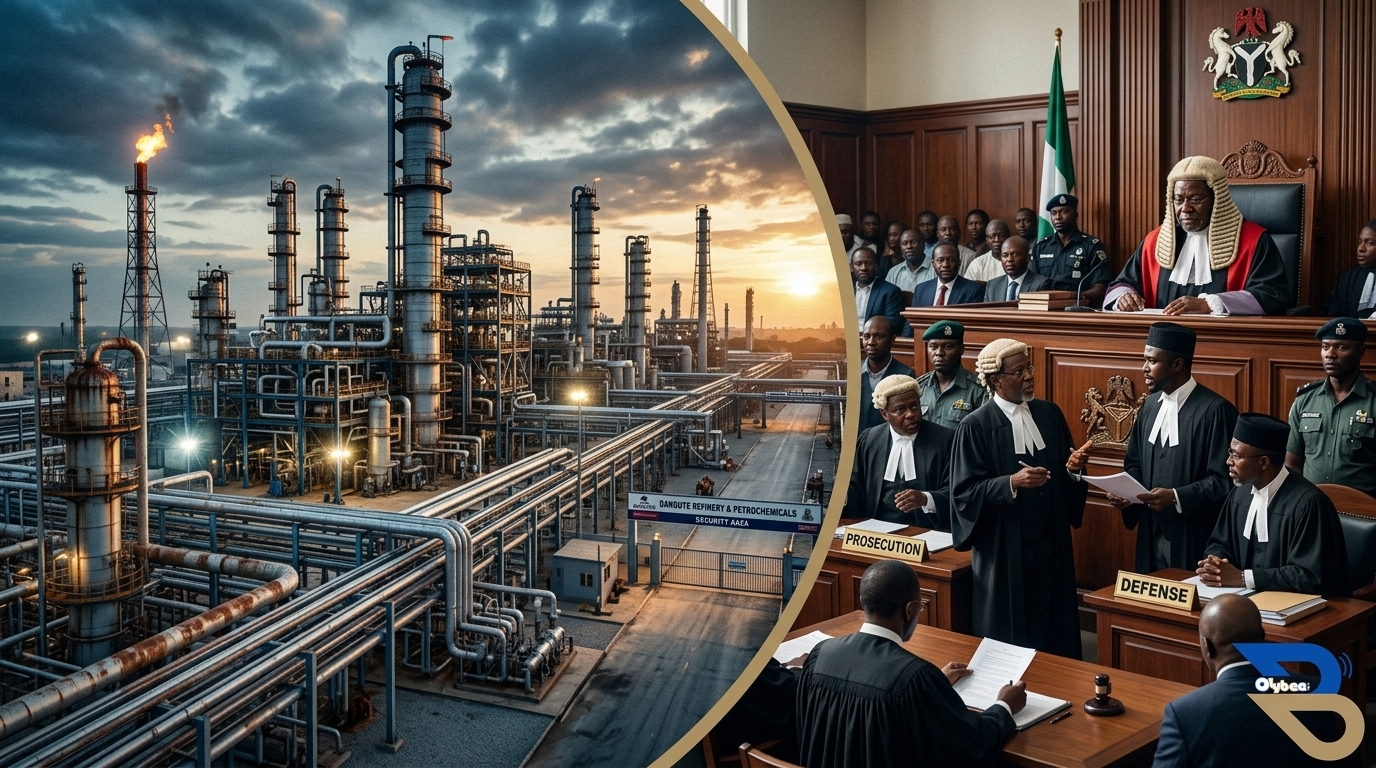
Gas flaring, particularly in the oil-producing Niger Delta region, also plays a significant role. This practice releases large volumes of carbon dioxide and methane into the atmosphere, both of which are powerful greenhouse gases. Additionally, rapid urbanization and a heavy reliance on fossil fuels for energy and transportation continue to push emissions higher nationwide.
Meanwhile, poor waste management practices, including open burning of refuse, add yet another layer to the problem. Together, these factors create a compounding effect that intensifies Nigeria’s exposure to climate-related risks.
How Climate Change Affects Nigerian Communities
The consequences are already visible across the country, and they vary significantly depending on region. In northern Nigeria, prolonged droughts and shrinking water bodies, most notably Lake Chad, have disrupted farming and herding, two activities that millions depend on for survival. As grazing land becomes scarcer, tensions between farmers and herders have intensified in several states, sometimes escalating into deadly clashes.
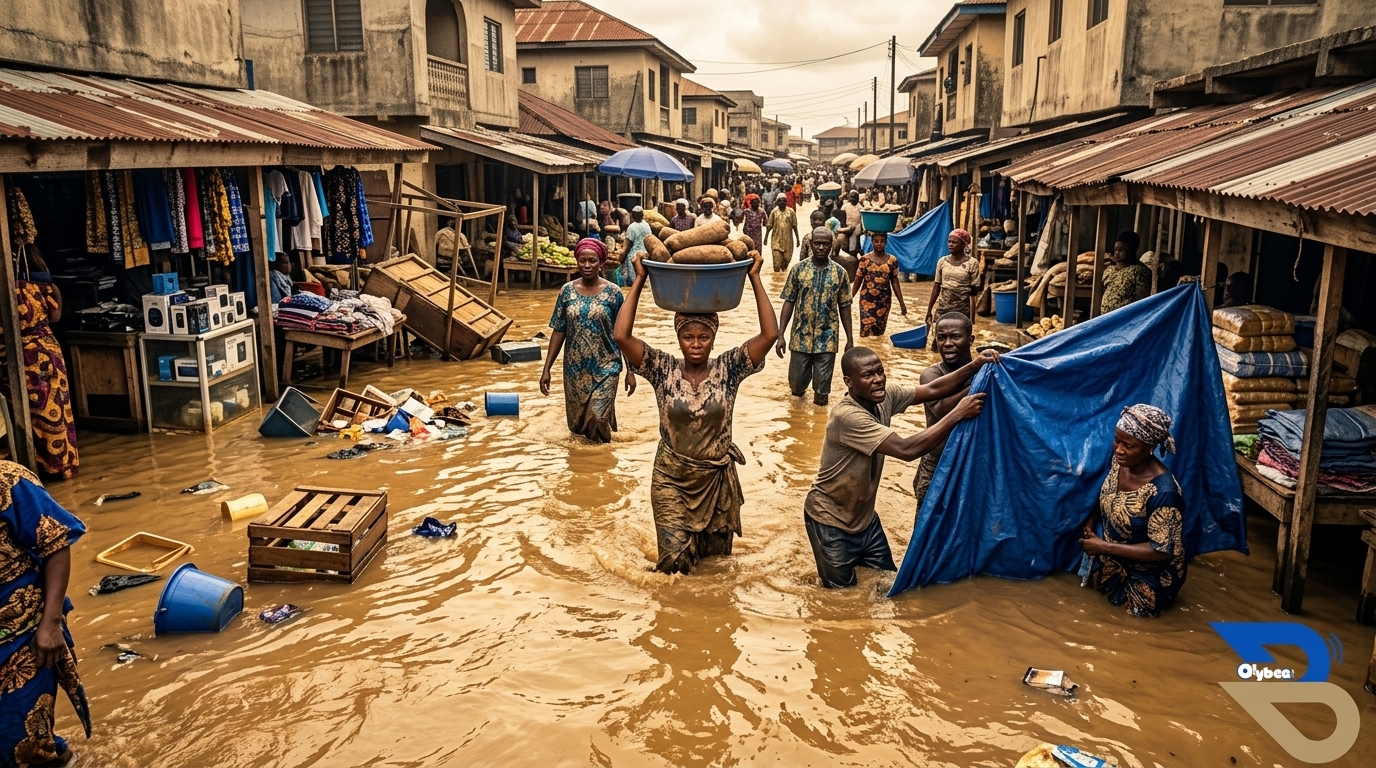
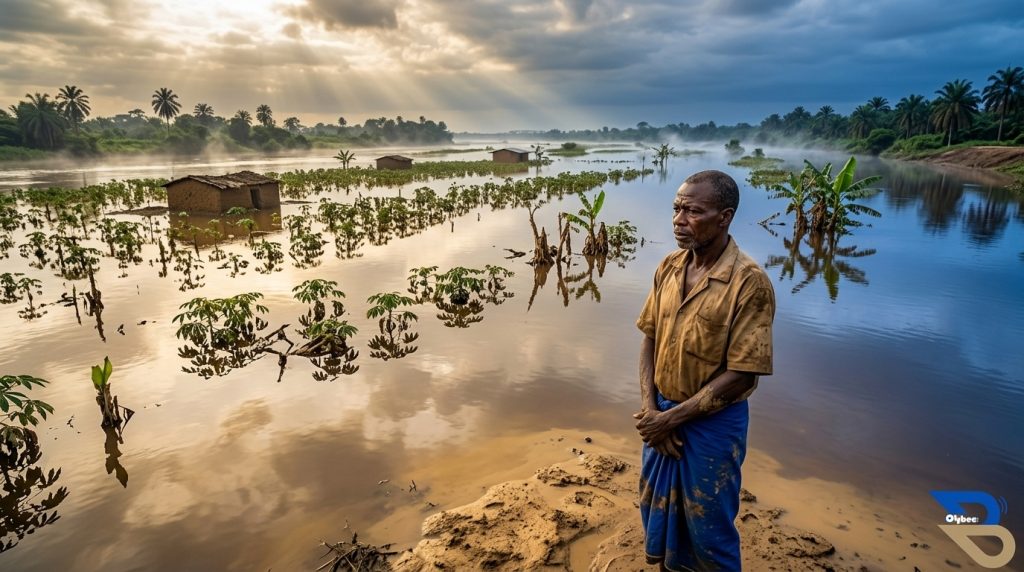
In the south, however, the story looks quite different. Coastal communities and cities like Lagos and Port Harcourt face an entirely different threat: flooding. Rising sea levels combined with heavier, more erratic rainfall have led to repeated flood disasters, displacing families, destroying homes, and wiping out farmland in a single season. Therefore, while the north grapples with desertification, the south increasingly battles water it can’t control.
Beyond agriculture and displacement, climate change also threatens public health. Flooding creates breeding grounds for mosquitoes, which raises the risk of malaria outbreaks, while shifting weather patterns have been linked to the spread of other waterborne and vector-related illnesses. For deeper background on how climate change manifests across different regions, Wikipedia’s overview of climate change offers a useful global framework for understanding these localized impacts.
Solutions and Preventive Measures
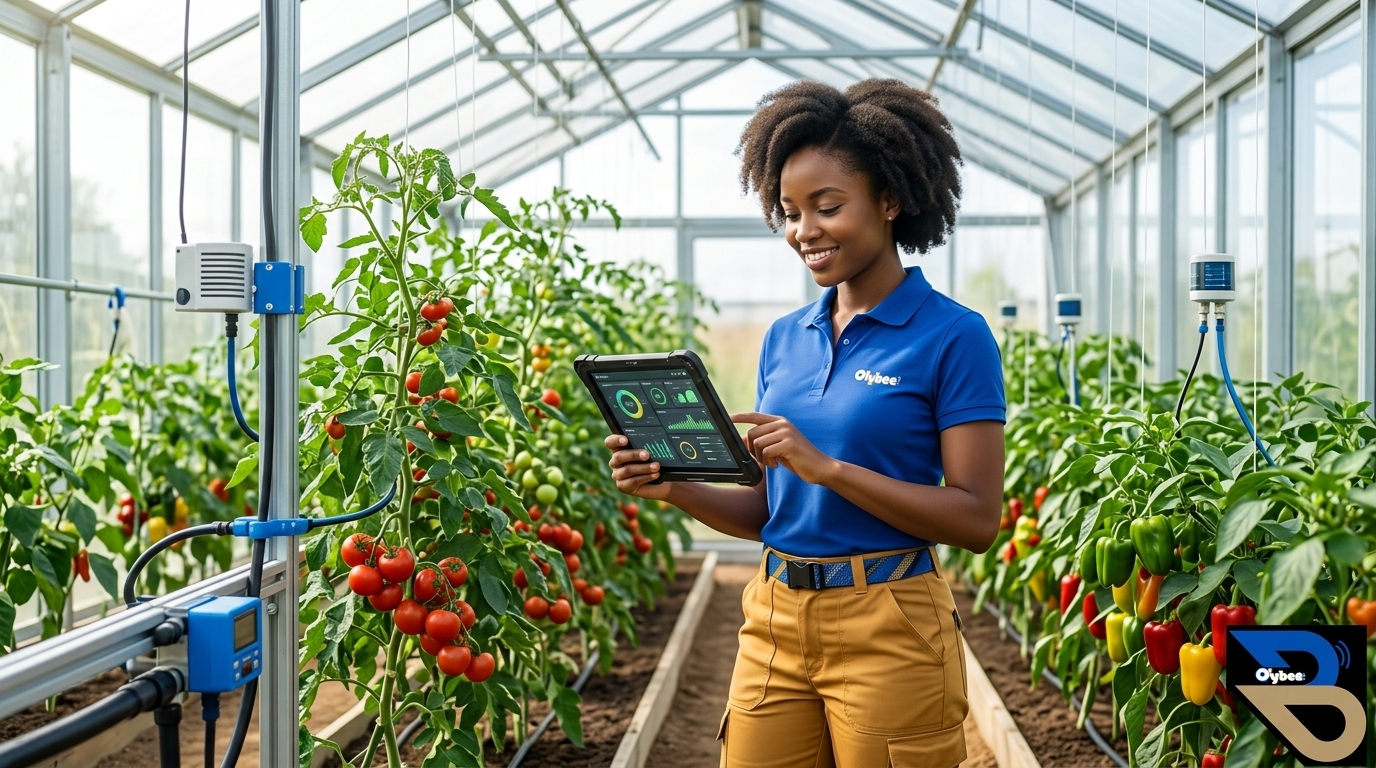
Tackling climate change requires action on multiple fronts, and fortunately, several practical solutions already exist. Reforestation efforts, such as tree-planting campaigns, can help restore Nigeria’s natural carbon absorption capacity over time. Similarly, transitioning toward renewable energy sources like solar power could significantly reduce the country’s dependence on fossil fuels, while also addressing chronic electricity shortages.
Government policy also has a major role to play. Stricter regulations around gas flaring, paired with genuine enforcement, could curb one of the country’s largest emission sources. Meanwhile, investing in flood control infrastructure, including better drainage systems and early warning mechanisms, would help vulnerable coastal cities prepare for and respond to extreme weather events more effectively.
On a community level, public education campaigns can encourage better waste management practices and discourage harmful habits like open burning. According to the United Nations Framework Convention on Climate Change, international cooperation and locally-driven adaptation strategies remain essential for countries like Nigeria, which face disproportionate climate risks despite contributing relatively little to global emissions historically.
Conclusion
Climate change in Nigeria isn’t a future problem; it’s already reshaping communities, livelihoods, and public health outcomes today. Addressing it will require coordinated effort from government bodies, private organizations, and everyday citizens alike. Whether through supporting reforestation projects, advocating for cleaner energy policies, or simply adopting more sustainable habits at home, everyone has a role to play. The time to act isn’t tomorrow; it’s now, before the effects already unfolding across Nigeria become even harder to reverse.




Leave a Reply
You must be logged in to post a comment.