




Introduction
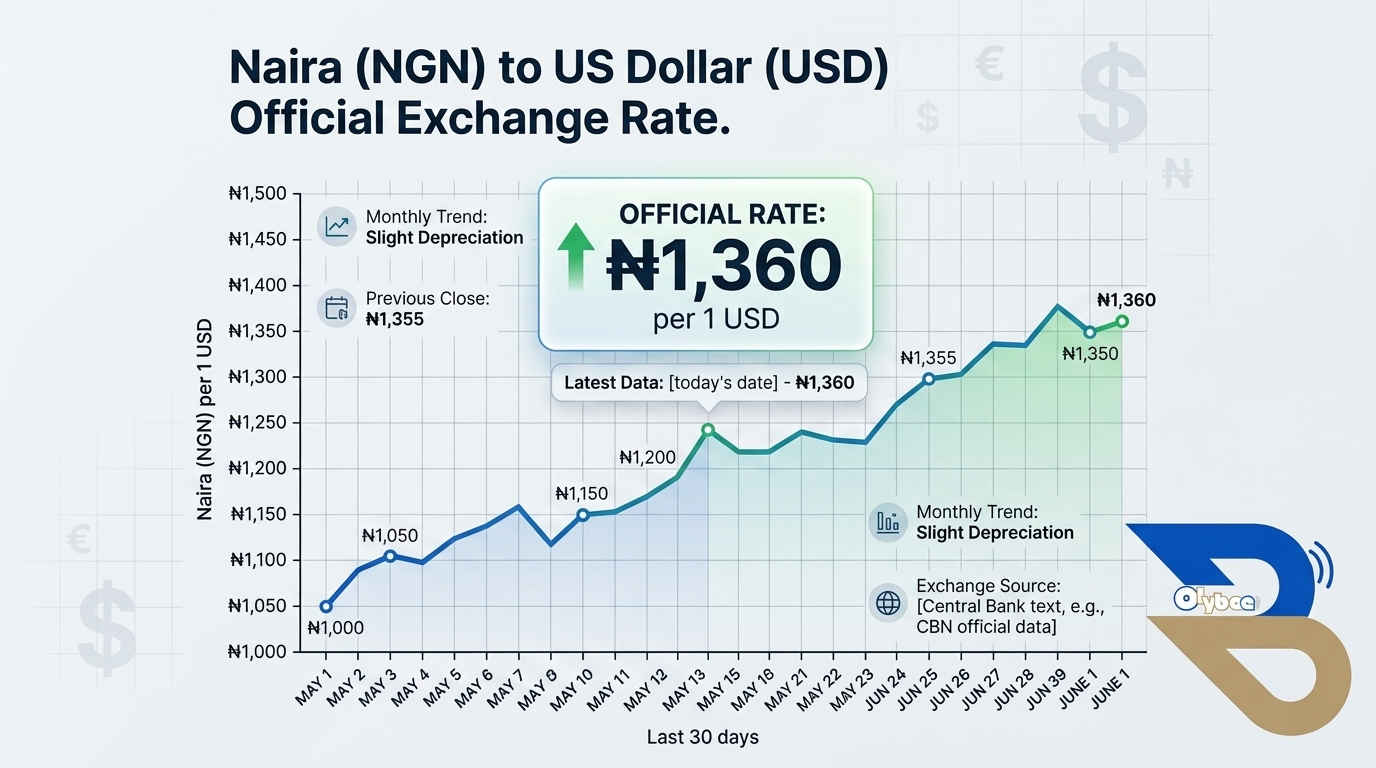
The naira to dollar exchange rate held its ground on Thursday, June 18, 2026, with the official rate at the Nigerian Foreign Exchange Market (NFEM) settling at roughly ₦1,360 per dollar. The currency’s steadiness comes amid ongoing reforms designed to tighten up Nigeria’s forex landscape, and so far, those efforts appear to be paying off.
Figures released by the Central Bank of Nigeria, which unified the country’s foreign exchange market in 2023 under a “willing buyer, willing seller” model, confirmed the naira’s position around ₦1,360/$ across recent sessions. Therefore, this consistency points to more than just a lucky trading window; it reflects deeper structural changes taking hold in the official market. Central Bank of Nigeria
What’s Driving the Naira to Dollar Stability?
Several factors appear to be working together here. Analysts point to a combination of stronger foreign exchange inflows, firmer regulatory oversight, and deliberate moves by monetary authorities to keep liquidity flowing. As a result, the naira hasn’t faced the kind of wild swings that characterized previous periods.

Meanwhile, the parallel market, often called the black market, told a slightly different but related story. There, the dollar changed hands at around ₦1,400. Specifically, bureau de change operators and other market sources quoted buying rates between ₦1,392 and ₦1,395 per dollar. Selling rates, on the other hand, ranged from ₦1,400 to ₦1,402.
What stands out, however, is how close these two figures actually are. In past years, the gap between official and street rates could stretch wide enough to fuel speculation and uncertainty. Now, that gap has narrowed considerably, suggesting the two segments of the market are finally moving in step with one another.
Naira to Dollar Trend Signals Improved Market Confidence
This narrowing gap matters because it often signals growing confidence among traders and everyday Nigerians alike. When official and parallel rates sit close together, it generally means fewer people feel pressured to seek out unofficial channels for currency exchange. Consequently, this can ease pressure on the naira overall.
Additionally, the CBN’s continued push for transparency seems to be reinforcing this trend. According to the apex bank, recent reforms have aimed to consolidate previously fragmented FX windows into a single, more accountable system. For readers wanting a broader picture of how Nigeria’s currency market evolved into its current structure, the Central Bank of Nigeria’s official foreign exchange page offers useful background, while Wikipedia’s overview of the Nigerian naira provides helpful historical context for those less familiar with the currency’s journey.
Looking Ahead for the Naira
For now, the naira to dollar rate appears to be settling into a more predictable pattern, at least compared to the volatility many remember from earlier years. Whether this stability holds will likely depend on continued inflows and sustained policy discipline from monetary authorities. Still, Thursday’s figures offer a reassuring snapshot: a currency finding its footing, one trading session at a time.





Leave a Reply
You must be logged in to post a comment.