

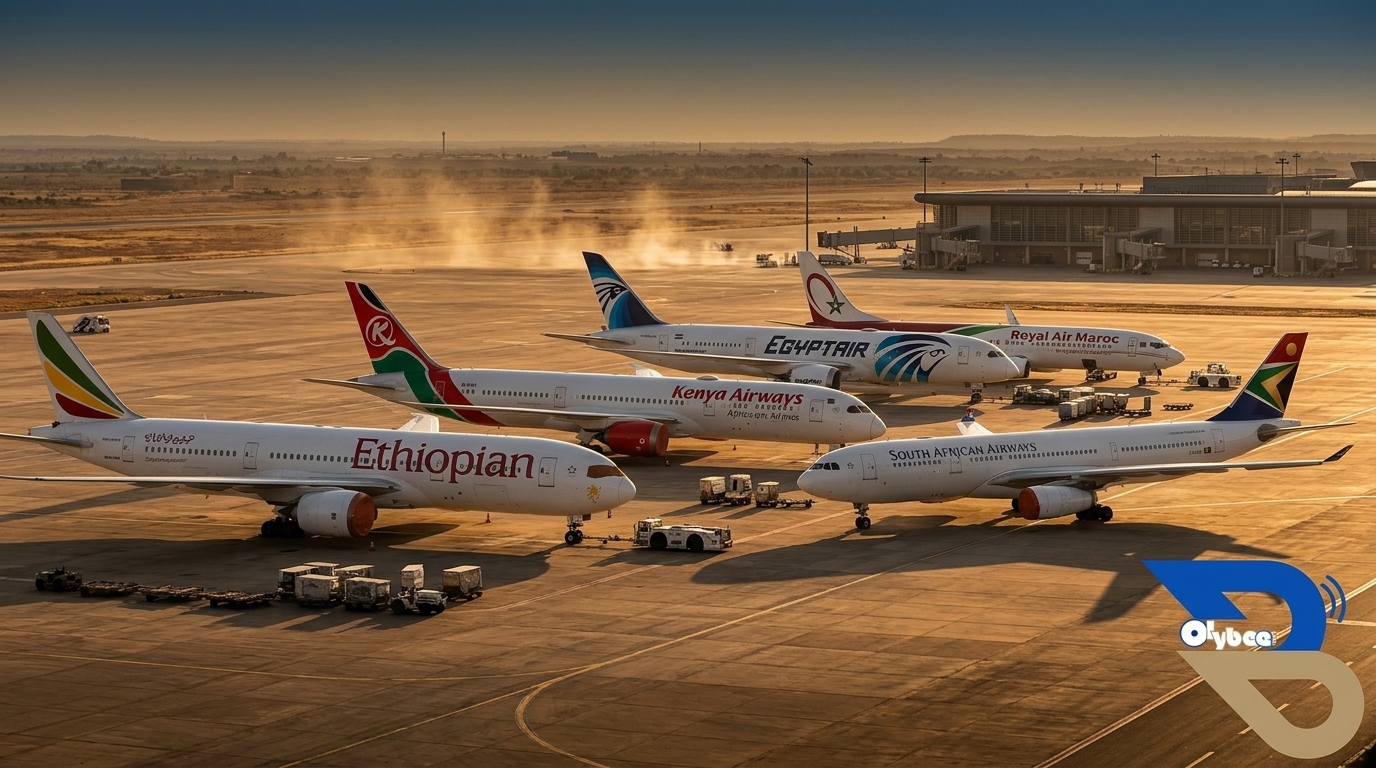


African aviation is struggling to take off — not because of a lack of ambition, but because broken bilateral agreements and excessive taxes keep clipping its wings. Kamil Al-Awadhi, Regional Vice President for Africa and the Middle East at the International Air Transport Association (IATA), made this striking assessment at the just-concluded 82nd IATA Annual General Meeting and World Air Transport Summit held in Rio de Janeiro, Brazil. His message was direct: Africa must fix itself from within before it can compete globally.
Notably, Al-Awadhi ranked Nigeria alongside Afghanistan as one of the hardest places in the world to start and sustain an airline. That comparison alone should grab every aviation policymaker’s attention.
African Aviation Choked by Ignored Bilateral Agreements and Rogue Charges
The starting point, Al-Awadhi argued, is the Single African Air Transport Market (SAATM). This framework exists to open African skies and boost intra-continental connectivity. However, the real problem is that many African states have signed bilateral air agreements — and then simply ignored them.
“Some of them do have the agreements, but they do not honour them,” he said plainly. “Africa needs to sort itself out before it starts looking globally.”
Furthermore, he pointed to Tanzania as a striking example of the absurd charges crippling African aviation. Tanzania currently levies a $45 one-way Advance Passenger Information (API) and Passenger Name Record (PNR) charge on airlines. The global standard for such charges sits at roughly $1.60. That means a simple round trip in and out of Tanzania adds an unnecessary $90 burden on airlines — costs that ultimately flow down to passengers.
“I don’t understand why Tanzania is trying to milk a security requirement they are obligated to do,” Al-Awadhi said. He described the charge as “completely unacceptable” and called on African governments to understand that aviation investment responds to how welcoming — or hostile — their policy environment truly is.
Indeed, the charge structure across many African countries extends well beyond passenger information fees. Landing fees, parking charges, flyover tariffs, maintenance costs, aircraft leasing premiums, and fuel prices all sit significantly higher in Africa than anywhere else in the world. Fuel alone, Al-Awadhi noted, now accounts for 30 to 40 percent of an airline’s operating costs — and African carriers typically pay more for it than their global counterparts.
Safety Improves, But African Skies Still Lag Far Behind Global Standards
Beyond the economic pressures, Al-Awadhi highlighted two priority areas for the continent: safety and affordability. On the safety front, he acknowledged genuine progress in 2025 — but quickly tempered the optimism.
“Africa improved in 2025, and that is a positive first step,” he said. “But we are not there yet.” Africa’s accident rate currently stands at 7.86 accidents per million flights. That figure remains dramatically higher than the global average. Clearly, therefore, while the direction is right, the pace of improvement is far too slow.
He urged governments specifically — not just airlines or regulators — to step up their role in improving aviation safety. Additionally, he criticised the disconnect between transport and finance ministries as a structural roadblock. In many African countries, the transport ministry understands aviation’s value. The finance ministry, however, often does not — and then introduces new levies that contradict aviation growth goals.
“That is probably the biggest roadblock I have noticed,” Al-Awadhi said. “The Finance Ministry would come up with new regulations that actually hamper the growth of the aviation industry.”
Fuel Supply Disruptions and the Hormuz Factor
The ongoing closure of the Strait of Hormuz added another layer of complexity to African aviation this year. Because Africa historically relied on fast fuel deliveries from Gulf Cooperation Council terminals, it lacked sufficient storage buffers when supply chains tightened.
Al-Awadhi acknowledged that the first month of disruption caused genuine scrambles. Airlines and countries rushed to secure fuel for the next day. However, he noted that supply chains have since adapted and diversified. Consequently, the summer flight schedule looks largely secure for now.
Still, he urged African states to draw a key lesson from the episode. “Africa should consider increasing its storage capability, just in case this disruption is applied again,” he said. The Hormuz Strait remains closed, so future risks persist. Building strategic fuel reserves, therefore, could protect airlines from the next shock.
African Aviation Has the Will — But Needs the Policy to Match
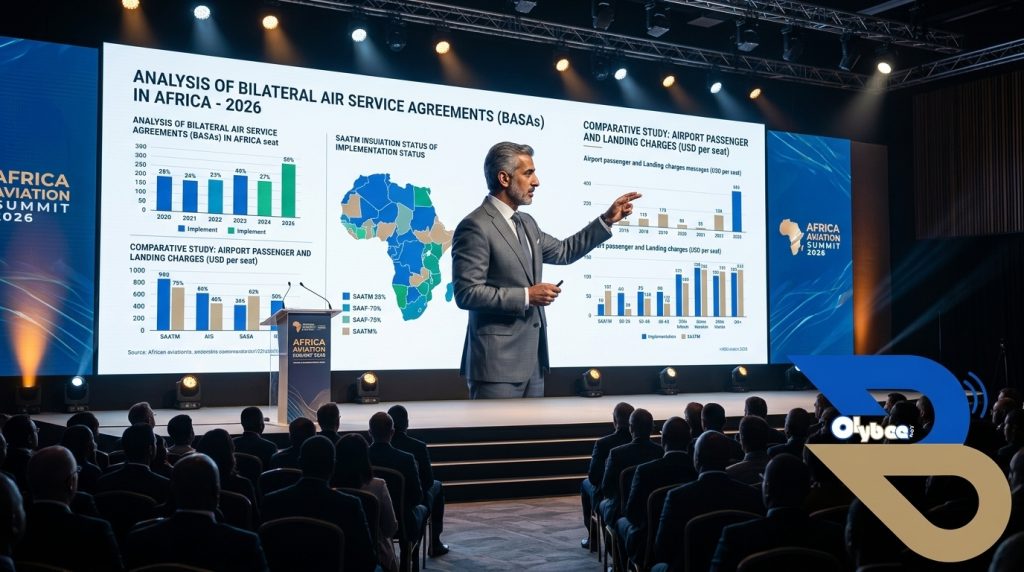
Despite the sharp criticism, Al-Awadhi was careful to acknowledge real momentum across the continent. He described Africa as visibly evolving and improving. However, the pace of change, in his view, still falls short of what the opportunity demands.
“The intent is there, and the capability is in Africa definitely,” he said. “It is just a matter of having collaboration with the relative stakeholders and getting the governmental part of the stakeholders to understand the value of aviation.”
According to him, IATA actively engages African governments to explain the true economic contribution of aviation. The organisation also works to educate decision-makers on fair and competitive charge structures. However, progress remains uneven. Some governments listen closely; others continue layering on charges that push airlines toward the margin — or out of the market entirely.
The African Union’s SAATM initiative represents the continent’s best structural tool for unlocking aviation growth. But its full potential depends entirely on member states honouring, not just signing, their commitments.
The Bottom Line: Honour Agreements, Cut Excessive Charges, Invest in Safety
Al-Awadhi’s message from Rio was ultimately straightforward. African aviation holds enormous potential. The continent’s growing population, rising middle class, and expanding economies demand better connectivity. Yet presently, the environment that airlines operate in works against them at nearly every turn.
Excessive and arbitrary charges drain thin profit margins. Governments that fail to honour their bilateral agreements create uncertainty. Disconnected ministries introduce contradictory policies. And safety statistics, while improving, still lag far behind global peers.
The path forward requires genuine political will. Governments across Africa’s 54 states must treat aviation not as a revenue extraction opportunity — but as critical economic infrastructure. Until then, African aviation will keep struggling to reach its cruising altitude.






Leave a Reply
You must be logged in to post a comment.