




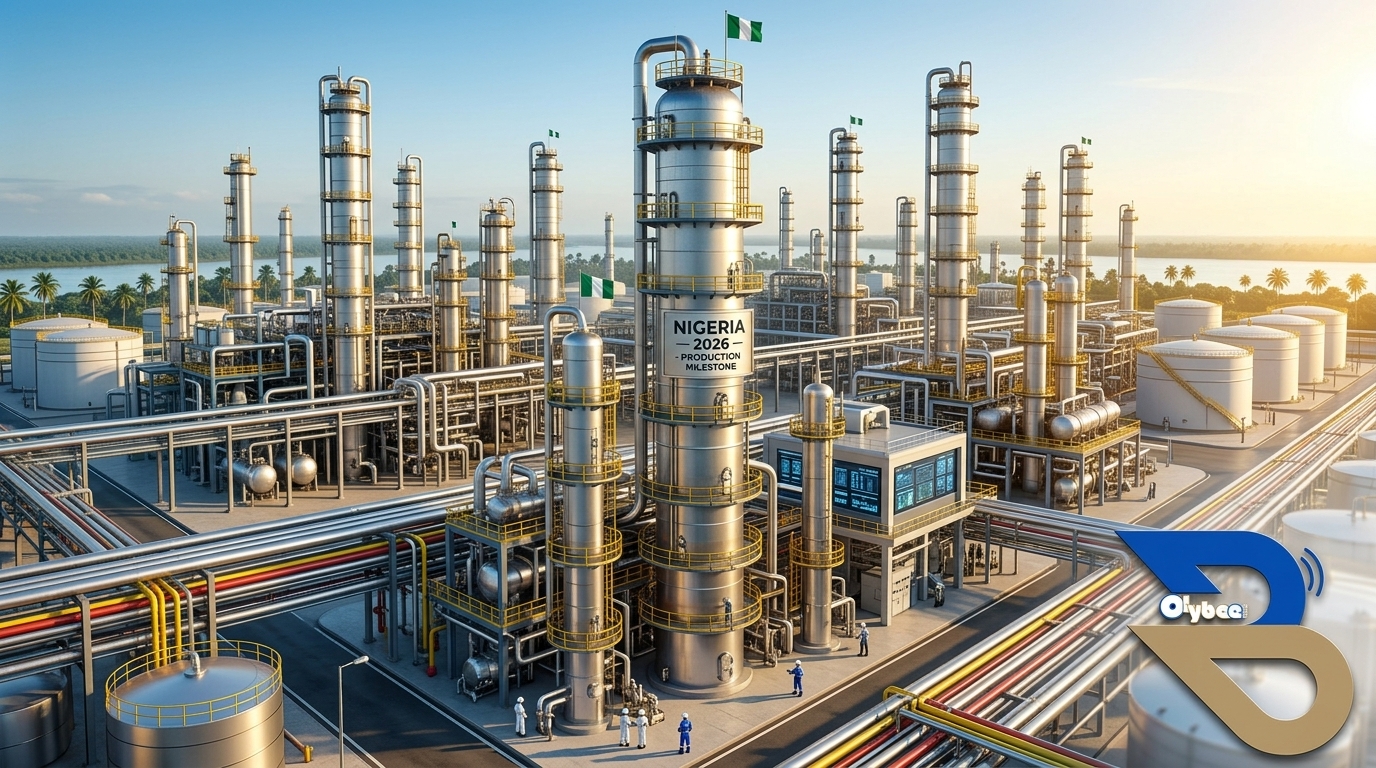
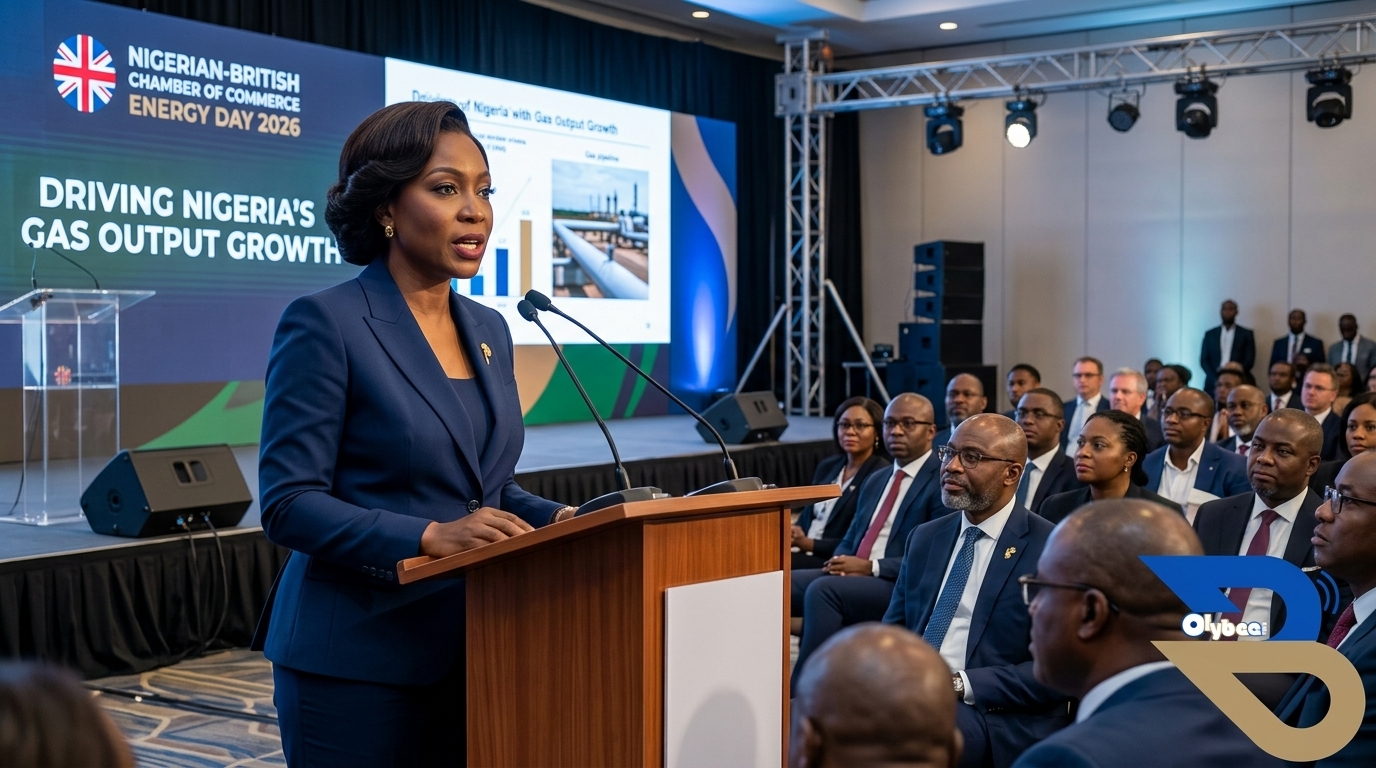
Nigeria’s local petrol production has now reached 48 million litres per day — a remarkable jump from near-zero output just three years ago. The federal government confirmed this milestone on Tuesday through Mrs Olu Verheijen, Special Adviser to the President on Oil and Gas. She made the announcement at the Nigerian-British Chamber of Commerce Energy Day 2026, held recently in Lagos. Her theme was simply this: Nigeria is finally converting its energy potential into real national value.
Nigeria’s Local Petrol Production Transforms the Naira
For decades, Nigeria imported virtually all the petrol its citizens consumed. Consequently, those imports created a relentless demand for US dollars. That structural drain quietly battered the naira year after year. Now, however, the tide has turned. Verheijen noted that, for the first time in a generation, most of the fuel Nigerians pump into their tanks is refined right here at home.
The numbers tell a compelling story. Petrol import spending dropped sharply — from roughly N2.3 trillion in the first quarter of 2025 to under N90 billion just one year later. Furthermore, Verheijen connected this development directly to exchange-rate stability. Fewer dollars chasing fuel means less pressure on the naira. As she put it, energy security and currency stability are not two separate goals. They are, in fact, the same goal.
This link between local refining and naira strength is something economists and energy analysts have long argued. Therefore, the current data suggests that argument is now bearing fruit.
Local Petrol Production Growth and Crude Oil Milestone
Beyond petrol refining, Nigeria’s crude oil performance has also improved significantly. According to Verheijen, crude oil and condensate production averaged 1.64 million barrels per day throughout 2025. That figure is up by roughly 400,000 barrels daily since 2023. Moreover, it represents the highest onshore production level Nigeria has recorded in two decades.
So what drove this recovery? Verheijen pointed to several interconnected factors. First, pipeline uptime is now consistently high across key infrastructure. Second, illegal refining activity has fallen sharply. Third, over four billion dollars in international oil company divestments have concluded successfully. These divestments, notably, deepened Indigenous participation in onshore operations. Meanwhile, the major international companies shifted their focus toward deepwater and integrated gas projects.
Every additional barrel counts, as Verheijen stressed. Each one adds revenue, supports jobs, and strengthens the federation’s finances.
What Tinubu’s Reforms Have Delivered So Far
To understand how Nigeria reached this point, it helps to look back at what the Tinubu administration inherited in 2023. Verheijen described the sector as being under severe strain. Fuel subsidies had grown fiscally unsustainable. Foreign-exchange distortions scared off investors. Production ran well below potential. Power-sector debt strangled the entire gas-to-power supply chain.
The administration’s response was bold and, frankly, painful for many Nigerians. President Tinubu removed the fuel subsidy and reformed the exchange rate simultaneously. These decisions attracted fierce criticism at the time. Nevertheless, the fiscal results have since become difficult to argue with. Total federation revenue rose to approximately N21 trillion in 2024 — nearly double the roughly N12 trillion recorded in 2023.
Additionally, despite the full removal of the subsidy, the government has avoided the chronic nationwide petrol queues that once defined daily life for millions of Nigerians. That, in itself, marks a significant operational achievement.
According to the Nigerian National Petroleum Company Limited, sustained investment and improved security across the Niger Delta have contributed heavily to the production recovery Verheijen described.
The question many Nigerians are now asking is a straightforward one: will these production gains translate into lower pump prices? So far, petrol costs remain a burden for ordinary households. However, the government’s position is that rising local supply will, over time, ease price pressures more reliably than any subsidy ever did.
Why This Moment Matters for Nigeria’s Economy
Taken together, these developments paint a picture of structural change — slow, uneven, and sometimes painful, but real. Local petrol production growing from effectively zero to 48 million litres per day is not a small achievement. It represents a shift in the basic logic of Nigeria’s energy economy.
For decades, Nigeria exported crude oil, then imported the refined products back at great cost in foreign exchange. That cycle drained the treasury, weakened the currency, and made every government subsidy program unsustainable. Breaking that cycle was always going to require hard reforms. Therefore, what Verheijen described at the Energy Day event is not just a statistics update. It is a sign that the underlying structure of Nigeria’s oil sector is changing.
Whether this momentum continues depends on several factors: sustained pipeline security, continued Indigenous investment, and policy consistency. For now, though, the federal government is pointing to the numbers with quiet confidence — and the numbers, at least, are moving in the right direction.





Leave a Reply
You must be logged in to post a comment.