



Introduction
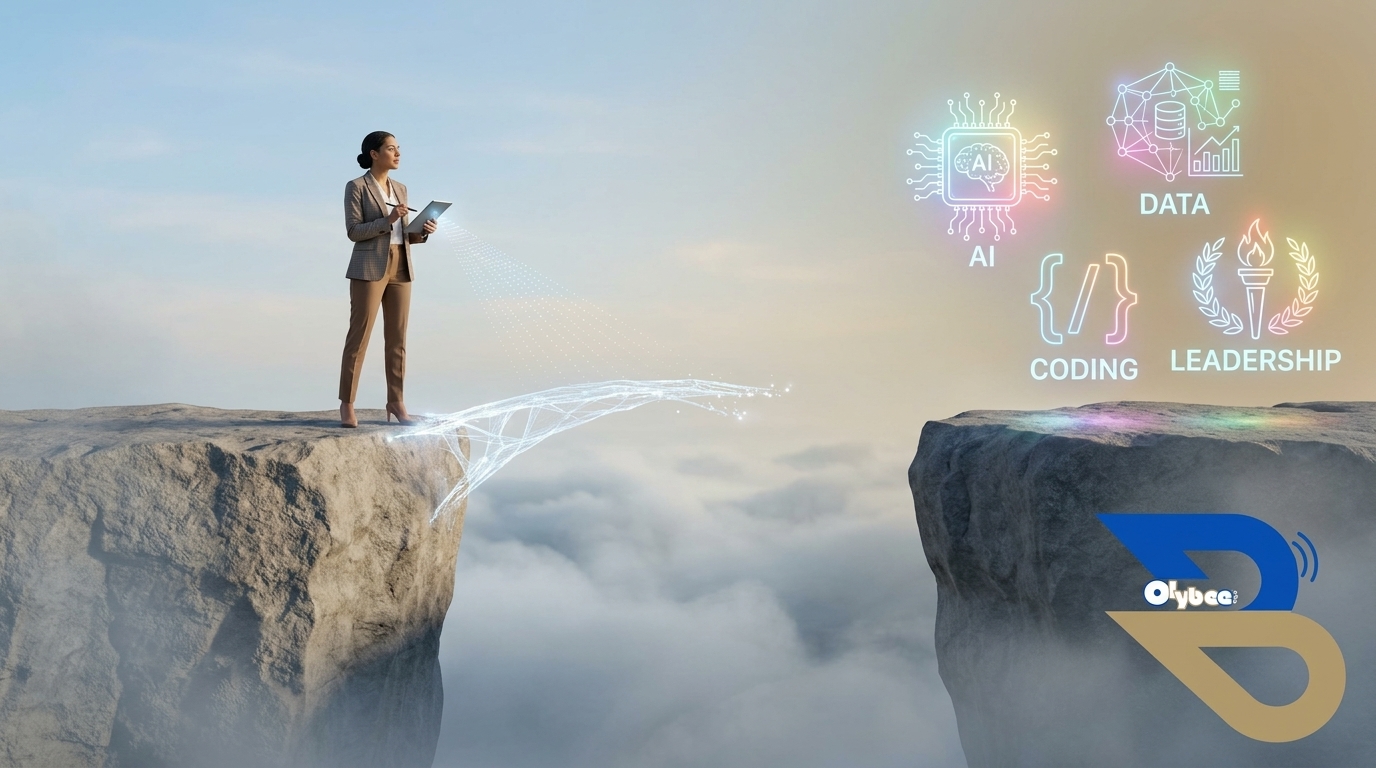
Unemployment remains a challenge in Nigeria, and employers say they can’t find qualified workers? The gap between what employers want in an employee and what employees possess is called the skill gap. As technology evolves, so does the industry; 90% of the activities in the industry are carried out with technology.
The skill gap occurs when worker/employee’s capability doesn’t match or meet with qualifications employer seek. A company may need a cybersecurity specialist, but the available candidate may not be skilled, certified or practically experienced in that field. It is one thing to get a certificate and a different thing to be practically experienced in that field.
Why The Skill Gap Exists?
Advancement of technology
Technology is evolving every day; some employees are still living in the metal age, making it difficult to keep up with daily tasks. They find it hard to catch up with the latest technology trends, like the use of tools and frameworks. Employees fail to train themselves technically. Tools like AI, and cloud computing are now emerging and taking over old ways, and needs expert to operate, making it hard for employers to get candidates with the latest technical skills.
Lack of continuous learning
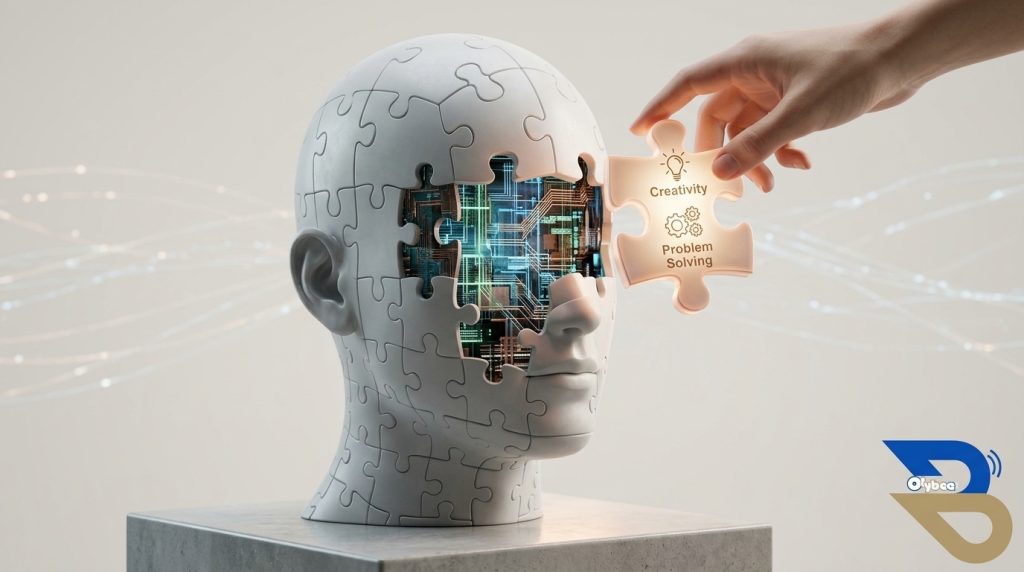
Lack of continuous learning means the stagnation of skills and knowledge due to the absence of self-improvement and ongoing education. The biggest mistake any employee could ever make is to stop learning, not just as an employee or employer but as a human. Learning shouldn’t stop after graduation, but unfortunately, professionals fail to update their skills, in a world where technology evolves, yesterday’s valuable skills may become outdated tomorrow, making it hard to remain competitive. Employee who fails update their skills becomes less competitive.
Unrealistic expectations of the employer
Most employers contribute to the skill gap by demanding years of experience for entry level roles, imagine graduating and then you want to apply for a job as a data analyst and the employer is demanding for 14 years of experience. 14 years of experience as a graduate?
Also, employers are reluctant to invest in employee training and the focus on finding the perfect candidate to take the place of existing employee.
Outdated education system
Institutions have an important role to play in grooming students for the workforce ; many institutions find it difficult to update their curriculum. The traditional education give students strong theoretical knowledge with little or no practical experience . Employers are not satisfied with workers who have only theoretical experience; they also want practical skills because they need workers who can immediately contribute to the growth of the business with little or no training at all.
Skills Employers Need That Are Common
Here are common skills employers look for:
- Data analyst
- Cybersecurity
- Digital marketing
- Cloud computing
- Problem solving
- Critical thinking
- Artificial Intelligence
- Adaptability
- Communication
How Skill Gap Affects Business
- Reduce productivity.
- Employee burnout.
- Companies are forced to reject project offers because there is expect who can carry out the task.
- Vacant position can reduce productivity.
Industries Most Affected By Skill Gap
The industries most affected by skill gap are technology (software developer, data analyst, cybersecurity professional), healthcare (nurse, medical technicians), Education (teachers in special fields).
Closing The Gap Of The Skill Gap
As a graduate you strengthen yourself by completing certifications and having experience through internship and also volunteering service. Take online course to keep yourself updated. Build a strong portfolio to help you build proof of ability, bridging the gap between academic learning and real-world application.
For educational institutions, updating curriculum regularly to equip students with work force expectations. For the government to help to close the skill gap government should fund workforce development programs, support vocational education and encourage partnership.
Conclusion
Skill gap remain one challenge in the market industry, employers struggle to find qualified and skilled employee raising the bar for job seekers. bridging this gap requires business, educational institution, government and individual coordination, all hands-on desk approach where all takes responsibility and plays their role diligently.
Embrace continuous learning, invest in training, adapt to evolving workplace demands, are all an employer and employee can do to benefit from a more skilled production



Leave a Reply
You must be logged in to post a comment.