



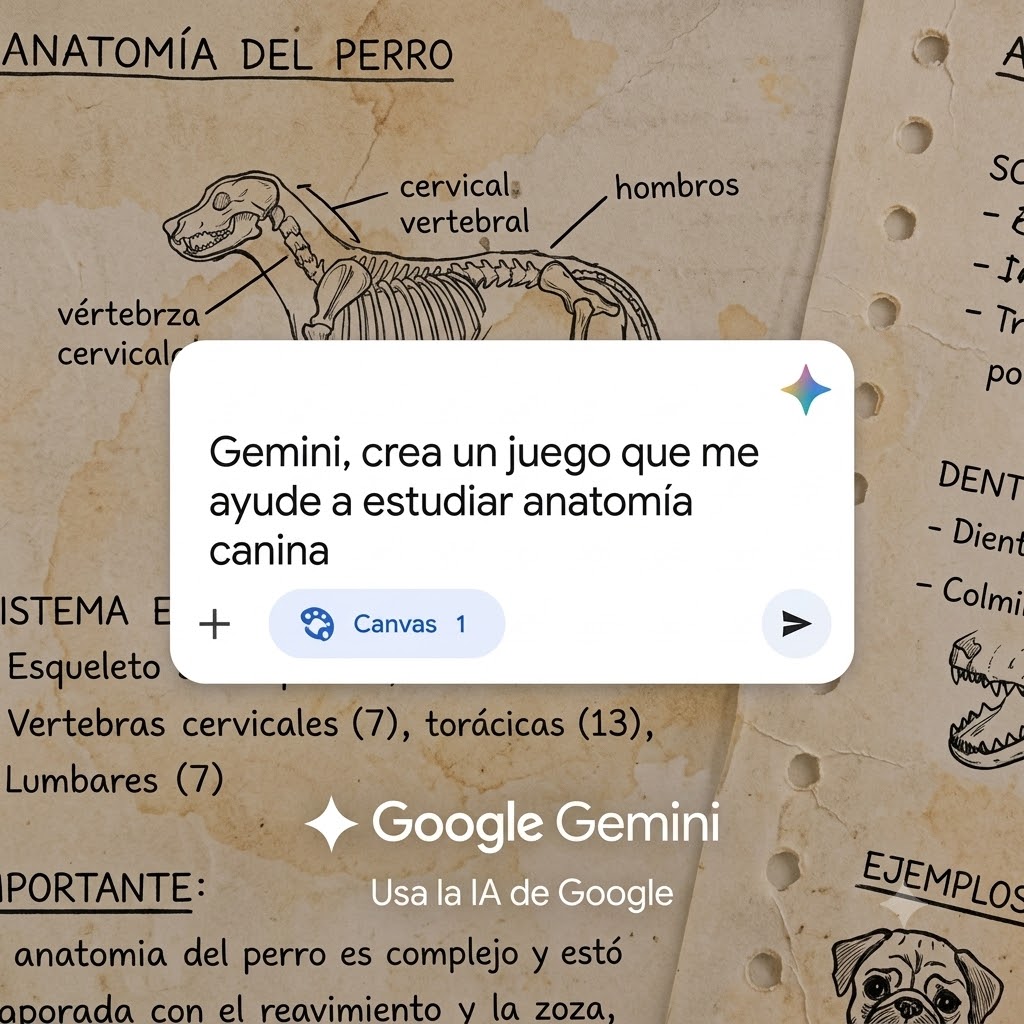

Google is pushing its Gemini AI app as a serious study companion, and a recent campaign from the tech giant is inviting students and lifelong learners to rethink how they absorb information. The message is direct: studying with Google Gemini is practical, dynamic, and interactive and Google wants you to already be using it.
Google Positions Gemini as a Learning Tool, Not Just a Search Upgrade
The company’s LinkedIn post published to its 41 million-plus followers asked a simple question: have you considered learning in a more dynamic and interactive way? The answer Google is pointing to is Gemini, its flagship AI assistant available at gemini.google.com.
The campaign frames Gemini not merely as a question-and-answer engine but as an active study partner capable of engaging learners in a more flexible, conversational format than traditional search results ever allowed. The accompanying link directs users straight to Gemini’s interface, bypassing any intermediate landing page a signal that Google is confident enough in the product experience to let it speak for itself.
The post generated over 126 reactions and was reshared multiple times, suggesting meaningful engagement from a professional and student audience on the platform.
Not Everyone Is Convinced – and the Debate Is Telling
The response wasn’t entirely celebratory. One of the most visible comments came from Rodrigo L., a UX researcher and clinical psychology student, who pushed back pointedly: “Nothing to do with Claude. Gemini looks more like a search engine with improvements than an actual LLM.”
The comment cuts to the heart of a broader conversation playing out across the AI industry right now. As Google, Anthropic, OpenAI, and others compete for users, the question of what makes an AI tool genuinely intelligent versus simply faster and better-dressed is far from settled. Critics of Gemini have previously noted that its responses can feel more retrieval-oriented than reasoning-oriented, a distinction that matters enormously in educational contexts where understanding, not just information delivery, is the goal.
Google has not publicly responded to such characterisations, but the company continues to invest heavily in Gemini’s development. The Gemini model family has expanded significantly since its initial launch, with versions now embedded across Google’s Workspace, Android, and Search products.
What Gemini Actually Offers Students
For learners willing to explore it on its own terms, Gemini does offer a genuinely capable set of features. Users can ask follow-up questions in a natural conversational thread, request explanations at different difficulty levels, summarise long texts, generate practice questions, and work through complex topics iteratively all within a single session.
Whether that constitutes a transformative study experience or an incremental improvement on Googling things depends heavily on how it’s used and what the user brings to the interaction. Students who engage it actively challenging its answers, asking for elaboration, using it to test their own understanding tend to report more useful outcomes than those who treat it as a passive information dispenser.
For now, Google is clearly betting that once users try Gemini in a learning context, the product will sell itself.
How AI Tools Are Reshaping Education in 2026 →
Google vs Anthropic: How the AI Race Is Playing Out →







Leave a Reply
You must be logged in to post a comment.