



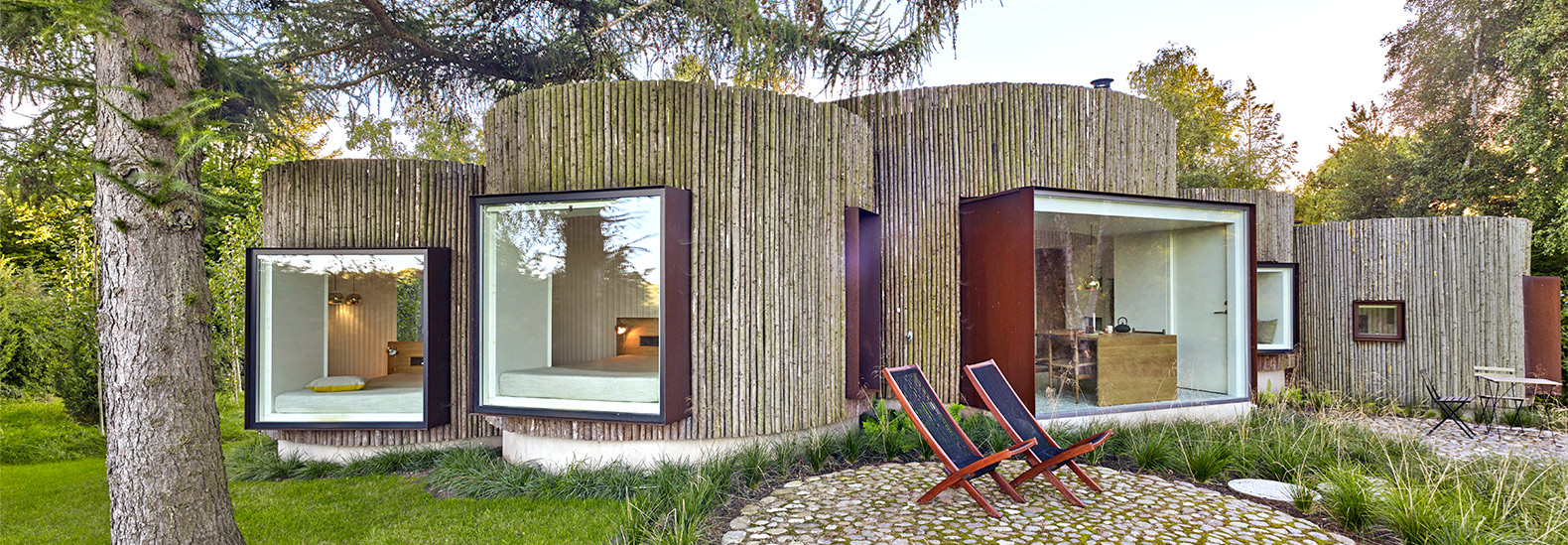

Denmark’s real estate market has long been one of Northern Europe’s most stable, but stability doesn’t mean stagnation. Property investment trends in Denmark are shifting in meaningful ways in 2026, driven by rising construction costs, changing tenant demographics, tightening regulation, and a growing appetite for smarter, more efficient asset management. Whether you’re a seasoned investor or considering your first property purchase abroad, here’s what’s defining the Danish market today.
Residential Rentals Remain a Cornerstone Investment
Demand for rental housing in Denmark particularly in Copenhagen, Aarhus, and Odense continues to outpace supply. Urban migration, a large student population, and a cultural preference for flexibility over ownership in younger demographics have kept vacancy rates in major cities historically low.
Private landlords and institutional investors alike are responding by expanding their residential portfolios, with a particular focus on smaller units tailored to single occupants and couples. The average rental yield in Copenhagen hovers between 3% and 5% annually depending on location and property type modest by some international standards but reliable and underpinned by strong tenant protections under
Innovative approaches to tenant sourcing are emerging alongside portfolio growth. Programs like Kjøller’s Findelønslisten which pays up to DKK 5,000 (around $700 USD) for successful tenant referrals reflect a broader effort by property managers to reduce vacancy windows without inflating acquisition costs.
Sustainability Is Moving from Bonus to Baseline
Green building credentials have shifted from a marketing differentiator to a near-mandatory feature for new developments and renovations entering the Danish market. Denmark’s government has set ambitious climate targets, and the construction sector is under increasing pressure to align with them.
Investors are taking note. Properties with high energy efficiency ratings particularly those meeting Denmark’s “A” or “B” energy label classifications command measurable premiums in both sale price and achievable rent. Retrofit projects targeting thermal insulation, heat pump installation, and solar integration are attracting favorable financing terms from Danish lenders, making the business case for green upgrades increasingly hard to ignore.
For buy-to-let investors specifically, the calculation is straightforward: energy-efficient properties attract longer-tenured, quality-conscious tenants, reduce maintenance volatility, and position well for increasingly strict EU energy performance regulations expected to tighten through the late 2020s.
Institutional Capital Is Reshaping the Market’s Upper End
One of the more consequential shifts in Danish property investment over recent years has been the growing presence of institutional capital pension funds, REITs, and large property management firms in segments of the market that were once dominated by private investors.
This trend is most visible in the build-to-rent sector, where large-scale developments purpose-built for long-term leasing are increasingly common in Copenhagen’s expanding suburbs and secondary cities. For smaller private investors, this creates both competition and opportunity: competition for desirable assets in prime locations, and opportunity in the form of joint investment vehicles and professionally managed property funds that lower the barrier to meaningful market participation.
Regional Markets Are Attracting Renewed Attention
While Copenhagen dominates the conversation, savvy investors are increasingly looking at Denmark’s regional cities for better entry prices and stronger yield potential. Aarhus, the country’s second-largest city, has seen sustained population growth and a booming student and tech-sector workforce. Aalborg and Odense are similarly benefiting from infrastructure investment and corporate relocation activity.
Land prices in these markets remain significantly lower than the capital, and rental demand while smaller in absolute terms is growing steadily. For investors priced out of Copenhagen or seeking diversification, Denmark’s regions represent a credible and underexplored alternative.
What Investors Should Watch in the Second Half of 2026
Interest rate movements remain the most significant variable hanging over the Danish property market. The Danish krone’s peg to the euro means domestic monetary policy closely tracks European Central Bank decisions, and any further rate adjustments will feed through directly into mortgage affordability and investor financing costs.
Regulatory risk is also on the radar. Danish rent control laws already limit yield in some segments, and ongoing political debate around housing affordability could produce further legislative changes affecting private landlords. Staying informed and working with local legal and financial advisors is essential for any investor operating in or entering this market.
How Referral Programs Are Changing the Rental Market →
Kjøller’s Findelønslisten: Earn DKK 5,000 for Referring a Tenant →





Leave a Reply
You must be logged in to post a comment.